
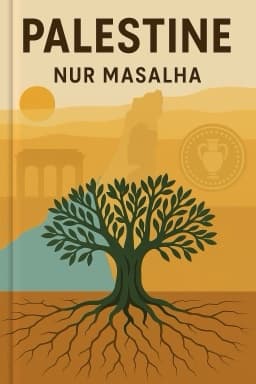
From Ancient Philistines to Modern Resistance: The Epic Journey of Palestine
Trace the epic saga of Palestine’s people, culture, and resilience across four millennia.

Palestine’s story is one of remarkable continuity and transformation. Nur Masalha’s 'Palestine: A Four Thousand Year History' chronicles this epic journey, revealing the layers of history that form the foundation of Palestinian identity.
The Philistines, far from being outsiders, were indigenous people who built thriving urban centers and engaged in Mediterranean trade. Classical historians expanded Palestine’s geographical and cultural horizons, while Byzantine rule introduced a 'Three in One' provincial system that nurtured religious and intellectual life.
Islamic governance preserved much of this heritage, fostering a multicultural society where Muslims, Christians, Jews, and Samaritans coexisted and contributed to a vibrant urban culture. The Ottoman period brought modernization and the seeds of nationalism, setting the stage for the contemporary Palestinian identity.
Despite the trauma of displacement and ongoing conflict, Palestinians have preserved their heritage through arts, oral histories, and communal memory. These cultural practices are powerful forms of resistance and hope, affirming an enduring connection to their land and history.
This journey is not only historical but deeply human, inviting readers to appreciate the resilience and richness of Palestinian culture and identity across millennia.
References: 1 , 3
Want to explore more insights from this book?
Read the full book summary