
The Science of Emotional Intelligence: Why Feelings Matter in Every Decision
How Emotions Shape Your Choices—And What You Can Do About It

How Emotions Shape Your Choices—And What You Can Do About It
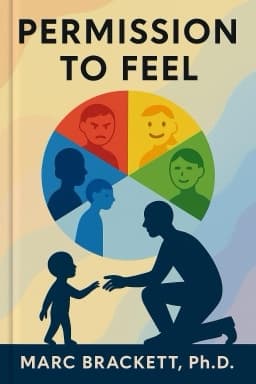
Think back to the last big decision you made. Did you weigh the pros and cons, consult friends, or trust your gut? Chances are, your emotions played a bigger role than you realize. In 'Permission to Feel,' Marc Brackett explains that emotions are not just fleeting sensations—they are powerful signals that guide our attention, memory, and judgment. Neuroscience shows that our brains use emotions as shortcuts, helping us filter information and make sense of the world.
For example, when you’re in a good mood, you’re more likely to remember positive experiences and see opportunities. When you’re anxious or angry, your focus narrows, and you may overlook important details or make snap judgments. This phenomenon, known as 'mood-congruent memory,' affects everything from how we interpret a colleague’s comment to how we respond to a child’s tantrum.
But here’s the good news: by increasing your emotional intelligence—especially your ability to recognize and label feelings—you can take charge of your decisions. Brackett’s RULER framework teaches us to pause, check in with our emotions, and use this information wisely. The simple act of naming a feeling—'I’m stressed,' 'I’m excited,' 'I’m uncertain'—can reduce its hold and help you see your options more clearly.
Research cited in the book shows that emotionally intelligent people make better choices, build stronger relationships, and are more successful in work and life. They are less likely to be swayed by bias or impulse and more likely to find creative solutions to challenges.
So the next time you face a tough decision, don’t ignore your feelings—use them. Ask yourself: What am I feeling, and what is this emotion telling me? The answer could be the key to your best decision yet.
Want to explore more insights from this book?
Read the full book summary