
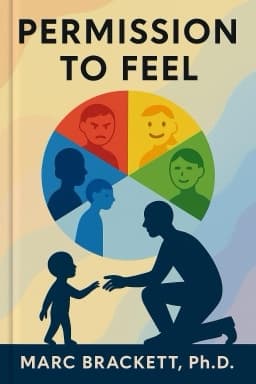
Unlocking the Secret Language of Emotions: What 'Permission to Feel' Reveals
Why Naming Your Feelings is the First Step to a Happier, Healthier Life

Why Naming Your Feelings is the First Step to a Happier, Healthier Life
Have you ever felt a wave of emotion—anxiety before a big meeting, a pang of jealousy scrolling through social media, or a deep sense of joy after connecting with a friend—but struggled to put it into words? You're not alone. In his acclaimed book, Permission to Feel, Marc Brackett, a renowned psychologist and founding director of the Yale Center for Emotional Intelligence, argues that most of us have never been taught the language of emotions. Instead, we are conditioned to suppress, ignore, or mislabel our feelings, leading to stress, conflict, and missed opportunities for growth.
Brackett's RULER framework—Recognizing, Understanding, Labeling, Expressing, and Regulating emotions—offers a practical, science-backed roadmap for transforming our emotional lives. The first step, he says, is simply recognizing what we feel. This might sound easy, but in reality, most people can only name a handful of emotions: happy, sad, angry, stressed. Brackett's research shows that those with a richer emotional vocabulary—what psychologists call 'emotional granularity'—are better equipped to manage stress, make wise decisions, and build strong relationships.
Why does naming our feelings matter so much? Studies reveal that simply labeling a feeling—'I'm not just upset, I'm disappointed'—can reduce its intensity and give us a sense of control. This process, called 'affect labeling,' activates parts of the brain associated with emotional regulation and problem-solving. Children who learn to name their emotions are less likely to lash out or withdraw, and adults who practice this skill are more resilient in the face of adversity.
But 'Permission to Feel' goes beyond theory. Brackett shares moving stories from classrooms where students use the Mood Meter—a colorful chart that helps them pinpoint their feelings based on energy and pleasantness—and from workplaces where leaders model emotional openness, creating cultures of trust and innovation. The book is filled with practical tips: how to pause and check in with yourself, how to teach kids to recognize and talk about their feelings, and how to use emotional information to guide decisions at home and at work.
Perhaps the most radical idea in the book is that giving yourself permission to feel is not a sign of weakness, but of strength. Emotions are not the enemy; they are messengers, guiding us toward what matters most. By learning to recognize, label, and express our feelings, we open the door to healing, creativity, and authentic connection.
In a world that often tells us to 'get over it' or 'toughen up,' Brackett's message is a breath of fresh air: Every feeling is valid. Every emotion has a purpose. And everyone deserves the tools to understand and use their emotions well.
Ready to start your own journey? Begin by asking yourself, right now: What am I feeling? The answer might surprise you—and it could change your life.
Want to explore more insights from this book?
Read the full book summary