
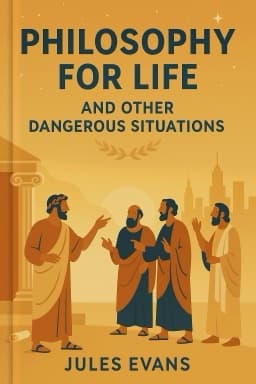
The Ancient Art of Living and Dying Well: What Philosophy Teaches Us About Mortality
How ancient thinkers’ reflections on death can help us live fuller, braver lives today.

Death is the one certainty in life, yet it remains a source of profound fear and avoidance. Ancient philosophers, however, approached mortality not as a grim end but as a vital teacher of how to live well.
Consider the example of a philosopher who faced his execution with calm dignity, embodying the very principles he taught. His composure in the face of death inspires us to cultivate
Reflecting regularly on death was a common practice among ancient thinkers. This contemplation reduces anxiety and sharpens our appreciation for the present. It encourages us to live authentically, prioritizing virtue and meaning over fleeting distractions.
Modern psychology confirms these benefits. Awareness of mortality can increase mindfulness, improve life satisfaction, and motivate positive change.
By embracing death as a natural part of existence, we free ourselves from fear and find peace. This ancient art of departure is inseparable from the art of living fully — a lesson as urgent now as it was millennia ago.
Sources: 20 Minute Books summary of Philosophy for Life, Audible's The Timeless Wisdom of Epictetus, BookAuthority's Best Philosophers Audiobooks 1 , 2 , 4
Want to explore more insights from this book?
Read the full book summary