
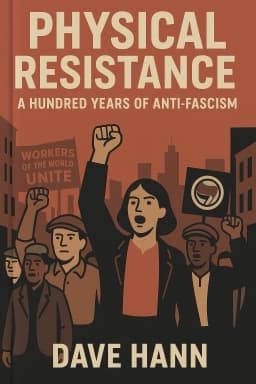
7 Surprising Ways Ordinary People Defeated Fascism in Britain (and Why It Matters Now)
How Everyday Heroes Changed the Course of History—and What We Can Learn Today

How Everyday Heroes Changed the Course of History—and What We Can Learn Today
When we think of fighting fascism, images of epic battles or political leaders might come to mind. But the real story of anti-fascism in Britain is one of neighbors, workers, and families who banded together in moments of crisis. Their courage, creativity, and solidarity offer powerful lessons for our own times.
1. Community-Driven Resistance: The Power of Neighborhoods
It began in the streets and homes of working-class Britain. Facing poverty and unemployment after World War I, communities found strength in unity. Women like Ethel Carnie Holdsworth organized factory workers, while local defense groups patrolled neighborhoods to keep fascist thugs at bay. Their message was clear: if you threaten one of us, you threaten all of us.
2. The Role of Women: Leadership in the Shadows
History often overlooks the women who led and sustained resistance. From organizing strikes to running safe houses, their contributions were essential. Oral histories reveal mothers hiding activists in kitchens, and young girls chalking anti-fascist slogans on pavements at night. These acts, though small, built the backbone of the movement.
3. Building Unexpected Alliances
Anti-fascism was never just one group’s fight. Jewish councils, trade unionists, communists, and even pacifists found common cause. When fascists threatened printers or attacked immigrant communities, dockers, bus drivers, and local shopkeepers stood together, showing that unity can overcome fear.
4. The Battle of Cable Street: When the City Said “No”
Perhaps the most dramatic moment came at Cable Street, where thousands blocked a fascist march through London’s East End. Barricades of carts and paving stones, messages relayed by children, and the rallying cry “They Shall Not Pass!” turned the tide. This wasn’t just a street fight—it was a declaration that hate would not go unchallenged.
5. Memory as Resistance: The Power of Storytelling
The anti-fascist spirit lives on in the stories passed down at kitchen tables and union halls. Oral histories, often recorded on Dictaphones or scribbled on scraps, remind us that every generation must choose to remember and retell these lessons. Memory itself became a shield against forgetting—and against the return of hate.
6. Adapting to New Threats Through Culture and Technology
After WWII, fascist groups re-emerged in new forms. Anti-fascists responded not just with marches, but with punk music, football fanzines, and street art. Today, digital activism—hashtags, encrypted groups, viral videos—lets activists organize and inspire across borders in seconds.
7. Everyday Acts: Carrying the Flame Forward
The most profound lesson is that resistance is not just for heroes. It’s in the daily choices to help a neighbor, speak up against injustice, or welcome a newcomer. The flame of solidarity is passed through stories, songs, and small acts of kindness. The fight never truly ends, but neither does hope.
In a world where hate can resurface in new forms, these stories remind us that ordinary people, standing together, can shape history. The legacy of British anti-fascism is not just in the past—it’s in our hands, today.
Want to explore more insights from this book?
Read the full book summary