
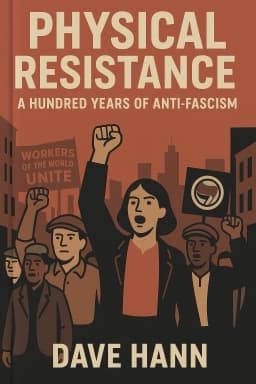
Inside the Battle of Cable Street: How Unity Stopped Hate in Its Tracks
The Day London’s East End Changed the Future of British Democracy

The Day London’s East End Changed the Future of British Democracy
On October 4, 1936, the narrow streets of London’s East End became the stage for one of the most dramatic confrontations in British history. The British Union of Fascists, led by Oswald Mosley, planned a provocative march through a neighborhood home to thousands of Jewish families and immigrant workers. But the city had other plans.
As dawn broke, thousands from across London—dockers, trade unionists, communists, and ordinary families—began to gather. The air was thick with anticipation and fear, but also with a sense of unity rarely seen before or since. Barricades sprang up from overturned carts, furniture, and paving stones. Women ran messages between groups; children brought food and water to those on the front lines. The police, tasked with protecting the fascists, clashed repeatedly with the defenders, but the resistance held firm.
Eyewitnesses describe the chaos and courage of the day: the roar of the crowd, the ringing of church bells as warnings, the sight of neighbors linking arms to block the streets. The chant 'They Shall Not Pass!' echoed through the alleys, becoming a symbol of defiance not just for that day, but for generations to come.
By evening, the fascist march was abandoned. The people had won—not just a battle, but a place in history. The legacy of Cable Street is more than a memory; it’s a living example of how unity, creativity, and courage can overcome even the most determined hate. Today, activists still draw inspiration from this moment, organizing against racism and division with the same spirit that filled those streets nearly a century ago.
In every act of solidarity, from community food drives to anti-racist marches, the spirit of Cable Street endures. The day London’s East End stopped hate in its tracks remains a beacon for all who believe in the power of people to shape their own destiny.
Want to explore more insights from this book?
Read the full book summary