
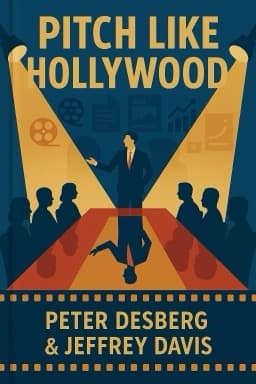
How to Turn Pitch Panic into Performance Power: Science-Backed Strategies
Transform nerves into your secret weapon with Hollywood’s best-kept presentation hacks.

Transform nerves into your secret weapon with Hollywood’s best-kept presentation hacks.
Everyone gets nervous before a big pitch—even Oscar-winning actors and Fortune 500 CEOs. The difference between those who soar and those who stumble isn’t the absence of anxiety; it’s how they use it. This blog dives deep into the pitch panic cycle and the science of turning nerves into high-octane performance energy.
At the heart of pitch anxiety is a destructive loop: you predict disaster, your anxiety rises, you interpret your nerves as proof that you’ll fail, and you start making mistakes. This is the pitch panic cycle. But here’s the good news: research shows that reframing anxiety as excitement can actually boost your performance. In one study, people who told themselves, 'I’m excited,' before public speaking outperformed those who tried to suppress their nerves.
Hollywood presenters use a toolkit of emotional regulation strategies. Deep breathing calms the body. Visualization—imagining yourself succeeding—primes the mind for confidence. Preparation is key: the more you rehearse, the less room anxiety has to grow. Even seasoned performers practice their lines, simulate the environment, and use positive self-talk to break the cycle of doubt.
It’s also important to recognize that nerves are a sign that you care. They mean you’re invested, present, and alive. Instead of fighting them, channel that energy into passion and focus. Every heartbeat is fuel for your message.
Here’s a simple exercise: Before your next pitch, take three slow, deep breaths. Visualize your audience nodding in agreement. Tell yourself, 'This energy will help me connect.' Practice your pitch until it feels second nature. And remember, even if you stumble, you’re in good company—every great communicator has faced the same fears and found their voice.
1
2
4
Want to explore more insights from this book?
Read the full book summary