
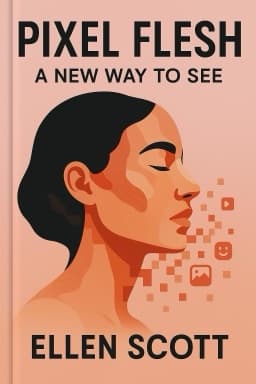
The Digital Beauty Trap: How Social Media is Rewiring Our Minds and Bodies
Unveiling the hidden costs of chasing perfection in the age of filters and likes

We live in a world where beauty is no longer just an aesthetic pursuit but a form of social currency, especially in the digital age. The rise of social media platforms like Instagram and TikTok has transformed personal appearance into a public spectacle, where every selfie, filter, and cosmetic tweak is a bid for attention and validation.
Alongside this aesthetic shift is a dramatic rise in cosmetic procedures, particularly among young women aged 18 to 34. Botox, fillers, and other treatments have surged by over 50% in recent years, fueled not only by celebrity endorsements but also by the relentless pressure to maintain a flawless online presence. These procedures have moved from the realm of the elite to everyday beauty routines, blurring the line between natural beauty and manufactured perfection.
Underlying these trends are the algorithms that govern social media feeds. These complex systems prioritize content that fits popular beauty norms, amplifying images that conform to the Instagram Face ideal and suppressing more diverse representations. This creates a feedback loop where users are exposed predominantly to idealized images, intensifying self-comparison and dissatisfaction.
The psychological impact is profound. Constant self-surveillance becomes the norm as individuals edit and curate their appearances to meet algorithmic expectations, leading to anxiety, low self-esteem, and even depression. The paradox is that while these beauty practices are framed as empowering acts of self-expression, they often reinforce conformity and systemic pressures.
Understanding this digital beauty trap is the first step toward reclaiming autonomy and fostering a culture that celebrates authentic diversity. By critically engaging with the content we consume and create, and by supporting inclusive representations, we can begin to dismantle the narrow ideals imposed by social media.
As we navigate this complex landscape, it is essential to recognize the historical and cultural roots that shape these beauty ideals, which we will explore in the next blog.
Want to explore more insights from this book?
Read the full book summary