
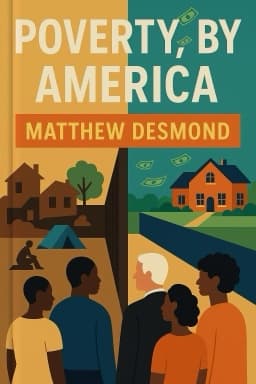
Welfare in America: Why the Safety Net Often Fails the Needy
The Paradox of a Welfare State That Benefits the Rich More Than the Poor

Government welfare spending in the U.S. has grown substantially, especially during crises like the COVID-19 pandemic, which temporarily lifted millions out of poverty. Yet, public perception often paints welfare recipients as lazy or dependent, a stereotype unsupported by data.
Most poor families avoid long-term welfare dependency, using aid as temporary insurance against hardship. Ironically, the largest welfare benefits flow not to the poor but to the middle and upper classes via tax breaks like the mortgage interest deduction and employer-sponsored health insurance subsidies. These programs cost hundreds of billions annually and help sustain wealth.
Many eligible poor do not claim benefits due to complex applications, stigma, and lack of information. For example, less than half of eligible seniors claim food stamps, and only a quarter of eligible families apply for cash welfare.
Reforming welfare to be more inclusive, accessible, and equitable can strengthen the social safety net and reduce poverty more effectively.
Sources: Welfare Policy Analyses, Public Opinion Research, Government Spending Reports 1 4
Want to explore more insights from this book?
Read the full book summary