
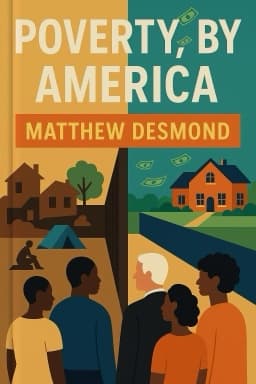
Why the Poor Pay More: The Shocking Economics of Survival
How Systemic Exploitation Keeps the Poor Trapped in Debt and Instability

It may seem counterintuitive, but poor families often pay more for basic necessities than wealthier ones. Landlords in low-income neighborhoods earn roughly double the profit per unit compared to those in affluent areas. This occurs because operating costs like mortgages and taxes are lower, but rents remain relatively high due to limited tenant mobility and discrimination.
Eviction is a constant threat, uprooting millions yearly and shattering fragile stability. Meanwhile, financial services available to the poor are often predatory. Payday lenders charge annual percentage rates exceeding 400%, trapping borrowers in cycles of debt. Check cashing stores impose hefty fees just to access wages, and overdraft fees cost billions annually, disproportionately impacting low-balance accounts.
Addressing poverty requires tackling these systemic exploitations by expanding affordable housing, regulating predatory lending, and improving financial inclusion.
Sources: Housing Inequality Research, Financial Exclusion Studies, Consumer Protection Reports 3 4
Want to explore more insights from this book?
Read the full book summary