
Why Understanding Class Divides is Key to Ending Poverty's Grip
How bridging cultural gaps can unlock political and social empowerment

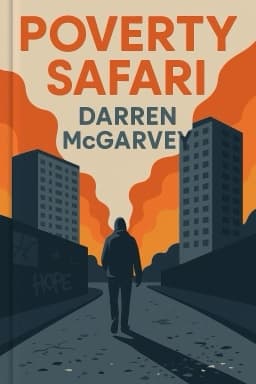
Class divides are more than economic differences; they shape culture, identity, and political participation. 'Poverty Safari' sheds light on how these divides create barriers that deepen poverty’s hold.
The book describes a 'deficit in experience' between lower and higher classes that leads to cultural misunderstandings and misrepresentation. Media outlets, catering largely to middle-class audiences, often overlook or distort working-class realities. This lack of representation fuels feelings of invisibility and resentment.
Political disenfranchisement compounds the problem. Complex bureaucratic systems and a sense of exclusion discourage many from meaningful participation. This apathy perpetuates inequality and undermines democracy.
Bridging these divides requires conscious effort: inclusive media representation, accessible political processes, and cultural dialogue. Recognizing the lived experiences of all classes fosters empathy and paves the way for social cohesion.
Ultimately, addressing class divides is essential not only for ending poverty but for building a just society where everyone’s voice matters.
Want to explore more insights from this book?
Read the full book summary