
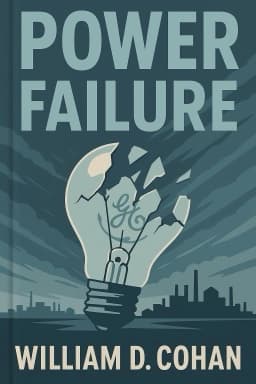
Inside GE Capital: The Financial Gamble That Changed Everything
How GE’s Foray into Finance Fueled Its Rise—and Hastened Its Fall

How GE’s Foray into Finance Fueled Its Rise—and Hastened Its Fall
When GE Capital was founded, few could have guessed it would one day rival the world’s largest banks. What started as a way to help customers finance equipment purchases quickly grew into a global financial powerhouse. GE Capital’s profits soared, and Wall Street cheered. But with every deal, the company took on more risk—and more debt.
GE’s mastery of ‘earnings management’ made its results look smooth and predictable, but behind the scenes, financial engineers were stretching the limits of accounting. When the 2008 financial crisis hit, GE’s exposure to bad loans and risky assets became painfully clear. The company was forced to sell off businesses, lay off thousands, and seek help from the government. The lesson? Financial innovation can be a double-edged sword—fueling growth, but also hiding dangers that only emerge in a crisis.
Takeaways for Leaders and Investors
- Understand the risks behind the numbers.
- Growth at any cost can backfire.
- Transparency and accountability are non-negotiable.
- Diversification can be strength—or a fatal distraction.
GE’s story is a warning for any company tempted by the siren song of easy profits. The real measure of success is not just what you earn, but how you earn it. 2 1
Want to explore more insights from this book?
Read the full book summary