
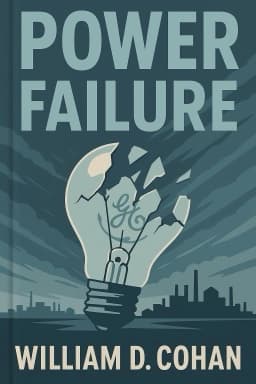
Jack Welch and the GE Way: Secrets of the World’s Most Famous CEO
Inside the Mind of ‘Neutron Jack’—And Why His Playbook Still Matters

Inside the Mind of ‘Neutron Jack’—And Why His Playbook Still Matters
Jack Welch’s name is synonymous with business success—and, for some, with controversy. When Welch took the reins at General Electric, he inherited a giant. But he didn’t just manage it—he remade it in his own image. Welch’s mantra was simple: be the best, or don’t bother. Under his leadership, GE shed underperforming businesses, doubled down on winners, and became a beacon for aspiring executives everywhere.
Welch’s management style was famously tough. He introduced the ‘rank and yank’ system, where the bottom 10% of performers were routinely cut. This created a culture of accountability—and anxiety. Yet, the results were undeniable: profits soared, and GE’s stock price reached new heights. Welch’s charisma and decisiveness turned the executive suite into a competitive arena, with ambitious leaders vying for the top spot. The drama surrounding his succession became a business legend, with the world watching as Jeff Immelt ultimately took the helm.
But perfection came at a price. Welch’s focus on short-term performance and financial engineering left GE vulnerable to future shocks. His successors inherited not just a company, but a myth—and the pressure to live up to it. As the world changed, GE’s old playbook struggled to keep pace, revealing the limits of even the most celebrated leadership models.
Lessons for Today’s Leaders
- Accountability drives results—but can breed fear.
- Charisma and clarity inspire, but must be balanced with humility.
- Short-term wins are seductive, but long-term vision is essential.
- Succession planning is as much about culture as it is about talent.
Welch’s playbook remains influential, but it’s not a blueprint for every era. Understanding his strengths—and his blind spots—can help today’s leaders navigate a world where change is the only constant. 3 4
Want to explore more insights from this book?
Read the full book summary