
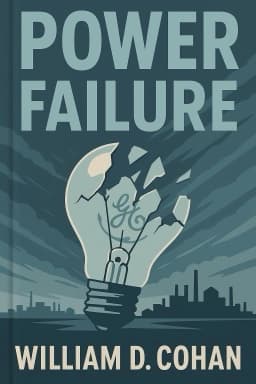
The Rise and Fall of General Electric: What Every Leader Must Know
How the World’s Most Admired Company Lost Its Way—and What You Can Learn

How the World’s Most Admired Company Lost Its Way—and What You Can Learn
For over a century, General Electric was more than a company—it was an institution. Born from the imagination of Thomas Edison and the ambition of Charles Coffin, GE electrified the world and set the standard for industrial innovation. But how did this titan of industry, once the most valuable company in America, stumble so spectacularly? The answers lie in a story of vision, hubris, and the eternal tension between innovation and control.
GE’s early years were marked by daring invention and bold business moves. Edison’s lightbulb was just the start; Coffin’s financial acumen turned dreams into empires. The company’s DNA was forged in the belief that progress required both genius and discipline. Over the decades, GE became a management laboratory, pioneering corporate training at Crotonville and producing a generation of leaders who would shape American business far beyond its walls.
But as GE grew, so did its ambitions. The relentless pursuit of growth led the company into finance, where GE Capital became the engine of profits—and hidden risks. Under the charismatic Jack Welch, GE soared to new heights, but the pressure to deliver flawless results created a culture of anxiety and short-termism. Welch’s successors inherited a company built on momentum, but cracks soon appeared as the world changed and old strategies failed.
The 2008 financial crisis exposed GE’s vulnerabilities. Once considered ‘too big to fail,’ the company was forced to sell core businesses, lay off thousands, and confront the painful reality that even legends can fall. Yet, in the ashes, there are lessons for every leader: the dangers of believing your own myth, the need for humility, and the power of reinvention. Today, GE is a leaner, more focused company, still innovating in healthcare and energy. Its story is a warning—and an inspiration—for all who dare to dream big.
Key Takeaways
- Innovation and discipline must go hand in hand.
- Culture can be both a strength and a trap.
- Short-term wins may hide long-term risks.
- True leadership requires humility and adaptability.
- Every ending is a new beginning—if you’re willing to learn.
Read on for deeper dives into GE’s leadership lessons, the secrets of its culture, and the timeless wisdom hidden in its story. 1 2 3
Want to explore more insights from this book?
Read the full book summary