
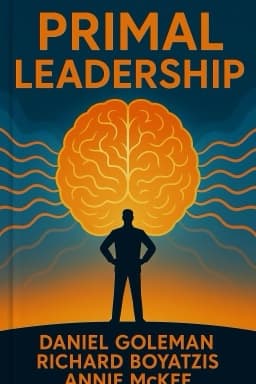
How Leaders Create Emotional Climates That Drive Business Success
The emotional atmosphere in your organization could be the biggest factor in your business results—here’s how leaders shape it.

Organizations are more than systems and processes—they are emotional ecosystems. The feelings that permeate a workplace influence how people engage, collaborate, and perform.
Leaders play a pivotal role in shaping this climate. Studies indicate that 50 to 70 percent of how employees perceive their work environment stems from leadership behavior. Whether leaders inspire trust and connection or create fear and confusion has profound ripple effects.
Consider customer service environments where frontline employees’ moods strongly influence customer satisfaction and loyalty. Stores with positive salespeople consistently outperform those with disengaged staff. This emotional contagion extends beyond customers to affect team cohesion and innovation.
Creating a resonant organization requires uncovering the emotional reality—the unspoken feelings, norms, and habits that underlie daily interactions. Leaders can use open dialogues, dynamic inquiry, and active listening to surface these truths, building trust and transparency.
Once the emotional reality is understood, leaders co-create an ideal vision that resonates with shared values and aspirations. This vision becomes a beacon, aligning efforts and energizing people toward common goals.
Sustainable change demands embedding emotional intelligence into organizational culture and systems. Leadership development, feedback mechanisms, and supportive processes reinforce new behaviors, making resonance a way of life rather than a fleeting moment.
For example, companies that integrate emotional intelligence into hiring, training, and performance management cultivate resilient, engaged workforces capable of thriving amid complexity and change.
By focusing on emotional climate, leaders unlock the full potential of their organizations, driving sustainable success and well-being.
Sources: Amazon insights 1 , Goodreads reviews 3 , ThorProjects analysis 4
Want to explore more insights from this book?
Read the full book summary