
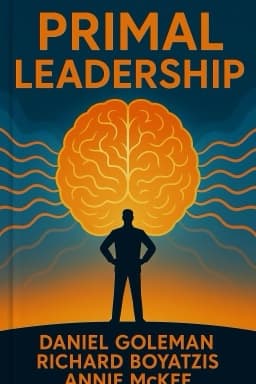
Unlocking the Emotional Code: How Primal Leadership Transforms Teams and Organizations
Discover the hidden emotional forces that make or break leaders and how mastering them can revolutionize your leadership journey.

Leadership is often portrayed as a game of intellect, strategy, and decisiveness. Yet, beneath the surface lies a far more powerful force—emotion.
At the heart of this approach is the understanding that the brain’s limbic system—the emotional center—operates as an open loop. It depends on social cues and emotional feedback from others to regulate itself. When a leader enters a room, their mood and emotional state ripple through the group, synchronizing heartbeats, breathing, and even brain activity. This emotional contagion can either build a positive climate of trust, creativity, and collaboration or sow discord, anxiety, and disengagement.
Consider the six leadership styles identified: visionary, coaching, affiliative, democratic, pacesetting, and commanding. Each style carries a unique emotional signature. Visionary leaders inspire by painting a compelling future, coaching leaders develop people’s strengths, affiliative leaders nurture harmony, democratic leaders foster participation, while pacesetting and commanding styles can drive results but risk burnout and fear if overused.
For example, a visionary leader who reframes janitorial staff roles from mere maintenance to customer delight transforms motivation and performance dramatically. Conversely, a commanding leader relying solely on orders may achieve compliance but lose trust and morale.
Becoming a resonant leader requires a personal journey of self-awareness, experimentation, and support. The five discoveries—ideal self, real self, learning agenda, experimentation, and support network—form a cycle of continuous growth. Neuroscience confirms that emotional intelligence can be developed through deliberate practice, rewiring the brain’s neural pathways to sustain emotional mastery.
Organizations, too, are emotional ecosystems. Research shows that emotional climate can explain up to 30% of business performance variance, with leaders influencing 50-70% of that climate. Positive climates boost engagement, reduce turnover, and improve customer satisfaction, creating a virtuous cycle of success.
Ultimately, primal leadership is about distributed leadership—empowering individuals at all levels to lead with emotional intelligence. The benefits extend beyond the workplace, enriching personal relationships and communities.
By mastering the emotional code, leaders unlock the full potential of themselves and their organizations, creating lasting impact in an ever-changing world.
Sources: Amazon reviews and descriptions of Primal Leadership 1 , Goodreads insights 3 , ThorProjects detailed book review 4
Want to explore more insights from this book?
Read the full book summary