
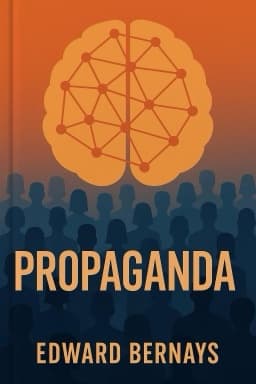
Behind the Curtain: The Science and Ethics of Propaganda Unveiled
An in-depth exploration of propaganda’s scientific foundations and the ethical challenges it presents in modern society.

The Scientific Roots of Propaganda
Edward Bernays transformed propaganda from mere persuasion into a science grounded in psychology and sociology. By understanding group dynamics, emotional impulses, and symbolic communication, propagandists could craft messages that resonate deeply and predictably. Technologies like radio and print magnified these effects, enabling mass coordination of opinion.
The Rise of Public Relations as a Profession
Public relations counsels emerged as specialists who not only promote clients but also uphold ethical standards. Their role includes analyzing public attitudes, designing campaigns, and ensuring honesty to maintain credibility. This professionalization parallels other fields like law and medicine, emphasizing social responsibility.
Ethical Challenges in Propaganda
Powerful influence risks misuse. Propaganda can manipulate, deceive, or suppress dissent if unchecked. Bernays stresses that honesty and transparency are essential to prevent erosion of trust. Ethical propaganda builds informed consent rather than blind obedience.
Historical and Contemporary Examples
From wartime mobilization to commercial advertising, propaganda has shaped societies profoundly. Examples include public health campaigns that saved lives and political movements that unified nations. Yet, cautionary tales remind us of propaganda’s potential for harm when abused.
The Role of the Informed Public
An aware and critical public is the best safeguard against propaganda’s dangers. Media literacy, skepticism, and open dialogue empower individuals to discern truth and resist manipulation. This participatory approach strengthens democracy and social cohesion.
Conclusion: Balancing Influence and Integrity
Propaganda is a powerful tool that can guide society toward progress or division. Its future depends on ethical practice and an informed public. By understanding its science and moral dimensions, we can harness propaganda’s potential responsibly.
Sources: wisewords.blog, blinkist.com, wikipedia.org, thepowermoves.com 1 2 3 4
Want to explore more insights from this book?
Read the full book summary