
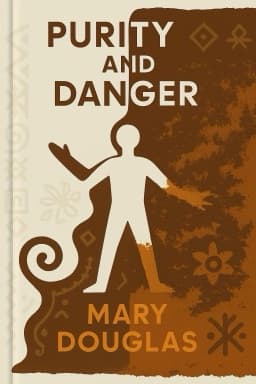
Sacred Yet Defiled? The Surprising Paradox of Purity and Pollution Explained
How can something be both holy and impure? Discover the fascinating dual nature of sacredness that shapes rituals and social order.

One of the most fascinating insights from Purity and Danger is how the sacred and the impure coexist in a paradoxical relationship. The sacred is not simply pure; it is often ambivalent, simultaneously revered and feared. This ambivalence is central to understanding how rituals and taboos function in societies worldwide.
Take, for example, the ritual of washing a holy person’s feet and then drinking that water. The water, potentially contaminated, becomes a medium of reverence, illustrating how what is usually considered impure can be sanctified. Similarly, cow dung, which might be seen as dirty, is used in some cultures as a purifying substance, symbolizing respect and social order.
This dual nature is not a sign of irrationality but a sophisticated system for managing social order and spiritual power. Sacred things are powerful but dangerous, requiring protection from profane contamination, while profane elements are shielded from the sacred’s overwhelming force.
Pollution taboos thus serve multiple functions: they mark social distinctions, enforce hierarchies, and protect the integrity of the community and cosmos. They also reflect the community’s anxieties and values, embedding social relations in symbolic acts.
Far from being relics of the past, these paradoxes persist in modern rituals and social norms, revealing the enduring human need to negotiate the boundary between order and chaos, sacred and profane.
As we continue, we will explore how these symbolic orders manifest in dietary laws that regulate what we eat and how food expresses holiness and social identity.
Sources: Evening All Afternoon analysis, Histanthro article, Blinkist summary 2 , 3 , 1
Want to explore more insights from this book?
Read the full book summary