
Why Dirt Is More Than Just Dirt: Unlocking the Secret Language of Purity and Danger
Discover how the concept of dirt reveals the hidden order of societies and why what we consider 'dirty' is deeply symbolic.

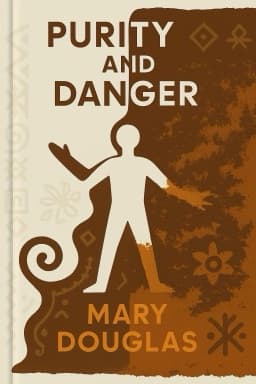
In our daily lives, we often think of dirt as something unpleasant to be cleaned away — mud on shoes, spilled food, or germs causing illness. But what if dirt was not just physical grime but a profound symbol of disorder in the social and cosmic order? This is the groundbreaking insight of Mary Douglas in her influential book Purity and Danger. She proposes that dirt is 'matter out of place,' a concept that shifts our understanding from hygiene to symbolic meaning.
Imagine a household where shoes are worn inside, food is eaten in the bedroom, or tools are left scattered in sacred spaces. These acts might be seen as 'dirty' not because of germs or smell but because they violate cultural classifications — they disrupt the expected order. This idea reveals that dirt is culturally relative; what is considered dirty in one society might be perfectly acceptable in another. For example, some cultures have strict taboos about touching certain animals or foods, while others do not. These taboos serve to enforce social boundaries and maintain cohesion.
Douglas’s analysis extends beyond simple cleanliness to the realm of the sacred and profane. The sacred is often ambivalent — simultaneously revered and feared. Sacred objects or persons may be considered 'polluting' if contact is not properly managed, reflecting a paradox where holiness and impurity coexist. This paradox is evident in rituals where something potentially defiling is transformed into a source of blessing or power through ceremony.
Dietary laws, such as those found in Leviticus, exemplify this symbolic classification. Animals are judged 'clean' or 'unclean' based on criteria like having cloven hooves or chewing cud, not health concerns. These classifications reflect a cosmic order dividing the world into earth, water, and air domains. Eating according to these laws is a daily affirmation of holiness and social identity.
Rituals and magic are not superstitions but symbolic acts that shape social reality and individual experience. Healing ceremonies, for example, restore social harmony and personal identity through symbolic performance. Similarly, pollution taboos express social tensions and power relations, reinforcing hierarchies and controlling behavior.
The human body itself is a microcosm of social order, with boundaries like bodily emissions or physical markings symbolizing social divisions. Physical boundaries such as doorways and fences are ritualized to mark social limits and require purification rites to cross.
Finally, pollution beliefs are not static; they express contradictions and anxieties but also enable renewal. Rituals transform pollution into creative power, renewing social order and cohesion. This dynamic interplay highlights the profound human capacity to navigate complexity and change through symbolic systems.
Understanding Purity and Danger offers us a new lens to view the world — one where dirt, purity, and pollution are not just matters of hygiene but languages of social meaning and cosmic order.
By grasping these ideas, we begin to see how deeply embedded symbolic orders shape our everyday lives and cultural practices, reminding us that what we consider 'dirty' or 'pure' is always a reflection of deeper social and cosmic truths.
For more insights into the paradox of sacred and unclean, continue exploring the next chapter.
Sources: Blinkist summary, Evening All Afternoon analysis, NYU academic paper 1 , 2 , 4
Want to explore more insights from this book?
Read the full book summary