
The Science Behind Introversion: Why Your Brain Loves Quiet
Unpacking the Neuroscience of Introverts and Extroverts

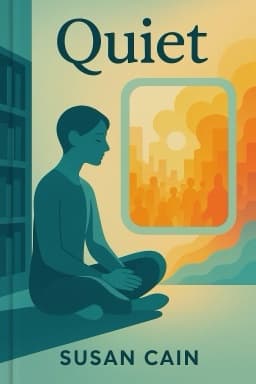
Why does socializing energize some but exhaust others? The answer lies deep in our biology. Susan Cain’s 'Quiet' introduces readers to the concept of the 'high-reactive' temperament—babies who are more sensitive to new sights and sounds are more likely to become introverted adults. Their nervous systems sound the alarm quickly, leading them to seek out calm, predictable environments. Extroverts, on the other hand, crave novelty and stimulation, thriving in busy, unpredictable settings.
Neuroscientists have discovered that introverts process information through longer, more complex brain pathways, favoring deep thought and reflection over quick reactions. They are more sensitive to dopamine, the brain’s 'reward' chemical, which means that too much excitement can be overwhelming. This isn’t shyness or social anxiety—it’s simply a different way of responding to the world.
Understanding these differences can transform your life. If you’re an introvert, you might need more downtime after a busy day or prefer one-on-one conversations to group gatherings. If you’re an extrovert, you might feel energized by crowds and new experiences. Neither is better—both are essential for a balanced, creative, and resilient society.
Honoring your nature means setting boundaries, seeking out the environments that help you thrive, and finding ways to recharge. For parents, teachers, and leaders, it means recognizing that quiet children and colleagues have strengths that may not be immediately visible but are no less valuable. The science of introversion is a call to embrace diversity—not just of background, but of mind.
When you understand the brain’s love of quiet, you give yourself permission to step back, reflect, and find your own rhythm. In the end, it’s not about changing who you are; it’s about becoming more fully yourself.
Want to explore more insights from this book?
Read the full book summary