
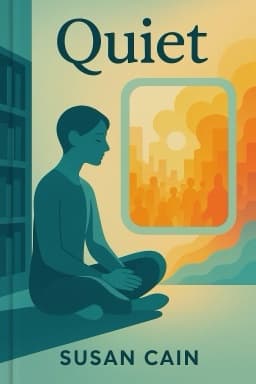
Why the World Needs Quiet: The Hidden Power of Introverts
Unlocking the Strengths of the Quietest Voices in a Noisy World

Imagine a world where the loudest voices always win. Where brainstorming sessions reward the quickest talker, and classrooms value hand-raising over thoughtful silence. For much of modern history, this has been our reality. But as Susan Cain’s 'Quiet' so eloquently argues, the world is missing out on a vast reservoir of creativity, empathy, and wisdom by undervaluing introverts. Introversion is not a social defect; it is a different way of experiencing the world, rooted in biology and shaped by culture.
Introverts process information more deeply, listen more intently, and often come up with innovative solutions that escape the notice of louder personalities. Think of the scientists who quietly revolutionized our understanding of the universe, or the writers and artists whose solitary work moved millions. Their power lies in reflection, not in showmanship.
Yet, the 'Extrovert Ideal'—the belief that sociability, assertiveness, and group participation are the keys to success—dominates Western society. Schools reward participation grades, businesses design open offices, and leaders are chosen for charisma rather than competence. This cultural bias leaves many introverts feeling out of place and undervalued, even though they make up at least a third of the population.
But the tide is turning. The Quiet Revolution, inspired by Cain’s book, is pushing schools to rethink how they assess students and urging businesses to design workspaces that allow for both collaboration and solitude. Introverts are learning to advocate for their needs—asking for quiet time, seeking meaningful work, and building relationships on their own terms.
For extroverts, understanding introversion can transform relationships and teamwork. When we value deep listening, thoughtful feedback, and the power of silence, everyone benefits. The world doesn’t need everyone to be loud; it needs everyone to be heard.
Embracing quiet is not just about helping introverts survive; it’s about unlocking the full spectrum of human potential. When we make space for every voice—no matter how softly spoken—we all grow stronger, wiser, and more connected. Let us celebrate the power of quiet, and let every story be told.
Want to explore more insights from this book?
Read the full book summary