
The Science of Laughter: Why Humor Makes Us Healthier and Happier
Explore how humor activates the brain, spreads through social groups, and boosts mental and physical health.

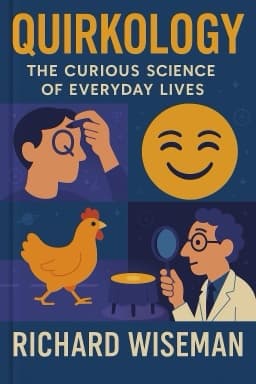
Humor is one of humanity’s most delightful quirks, blending cognitive surprise with emotional reward. At its core, humor often hinges on incongruity — an unexpected twist that defies our mental predictions.
Brain scans show humor activates both hemispheres: the left processes language and context, while the right detects incongruity, triggering laughter and pleasure. One linguistic curiosity is the 'Comedy K' effect, where words containing the sharp 'K' sound are often perceived as funnier.
Laughter is contagious, spreading through social groups via unconscious mimicry. When one person laughs, others often follow, reinforcing social bonds and a shared sense of joy. Genuine smiles, known as Duchenne smiles, involve crinkling around the eyes and signal true happiness, correlating with longer life and better health.
Comedians, often misunderstood as sad clowns, demonstrate remarkable resilience, using humor as a coping mechanism. Their ability to find laughter in adversity highlights humor’s power to heal mentally and physically.
Embracing humor enriches our lives, strengthens relationships, and boosts well-being, making laughter a vital human experience.
Sources: Blinkist summary of Quirkology, Customer Thermometer review, Goodreads insights, 5 Minute Book Summary 1 2 3 4
Want to explore more insights from this book?
Read the full book summary