
7 Surprising Ways Web3 Will Change Your Life (and Why You Should Care Now)
From Art to Finance: How Blockchain Is Already Transforming the World Around You

From Art to Finance: Real-World Blockchain Impacts
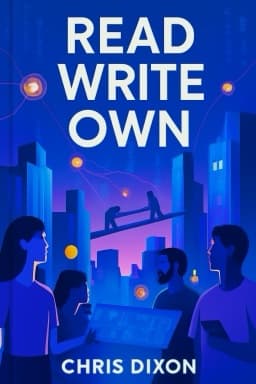
When most people hear 'Web3,' they think of cryptocurrencies and speculation. But the true story is much deeper—and much more personal. Chris Dixon’s 'Read Write Own' reveals how decentralized networks are quietly transforming everything from banking to creative work, and the changes are already making waves in people’s daily lives.
- Artists and Musicians Finally Get Paid What They Deserve
NFTs aren’t just digital collectibles—they’re a revolution for creators. Artists can sell their work directly to fans, earn royalties on every resale, and build communities around their art. Musicians are streaming concerts and tracks directly to global audiences, bypassing middlemen and keeping more of their income. - Finance Without Banks: DeFi for Everyone
Decentralized finance protocols let anyone lend, borrow, or trade assets without a bank account. In places where traditional banking is limited, DeFi offers new opportunities for financial inclusion and growth. - Social Networks Owned by Users
Imagine a platform where you own your posts, your audience, and even a vote in how the network is run. Decentralized social apps make this possible, putting power back in the hands of communities. - Decentralized Identity and Privacy
Web3 lets you control your digital identity—deciding what to share, with whom, and when. This shift could mean fewer data breaches and more personal privacy for everyone. - DAOs: Communities That Fund Themselves
From climate action to investigative journalism, DAOs (Decentralized Autonomous Organizations) are pooling resources and making decisions together, transparently and efficiently. - Composability: Remixing the Internet
Open protocols let developers build new apps by snapping together existing components, accelerating innovation and making it easier for anyone to create something new. - Ownership and Participation for All
Tokens make it possible for anyone to own a piece of the networks they use, aligning incentives and opening up new ways to participate and earn.
Of course, there are challenges. Regulation is still catching up, and security remains a top concern. But as Dixon argues, these obstacles are part of any technological revolution—and the benefits are too great to ignore.
Web3 is not just for techies or crypto enthusiasts. It’s for anyone who wants a fairer, more creative, and more user-owned internet. The time to care is now—because the next wave is already here.
Sources:
2
4
Want to explore more insights from this book?
Read the full book summary