
Unlock the Secret Code of Great Writing: How Reading Like a Writer Can Transform Your Craft
Discover the hidden art behind every sentence and how to read to write better.

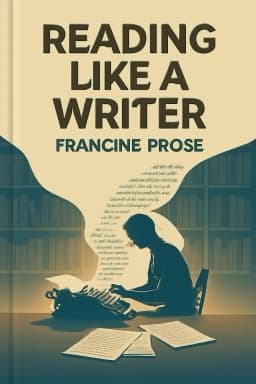
Have you ever wondered what makes certain books so irresistibly compelling, their sentences so perfectly crafted that you feel both moved and inspired? The secret lies in the art of close reading, a practice that Francine Prose champions in her acclaimed book, Reading Like a Writer. This approach invites readers to slow down, savor every word, and analyze the deliberate choices behind the prose.
Prose begins by reminding us that every word matters. Writers choose each word with precision to convey tone, character, and setting. For example, instead of heavy dialect spellings that can distract, subtle word choices suggest regional speech rhythms, preserving authenticity without sacrificing readability. Euphemisms and irony add layers of subtext, inviting readers to look beyond the surface. This meticulous attention to language is the foundation upon which all great writing is built.
Moving from words to sentences, Prose illustrates how sentence structure functions like music. A well-crafted sentence has rhythm, cadence, and flow. Long, lyrical sentences can immerse readers in a scene, while short, punchy sentences deliver emotional impact. Grammar, often seen as restrictive, is likened to social etiquette, smoothing communication and making the reader comfortable. This musicality enhances meaning and emotional resonance.
Paragraphs, too, are vital — they act as the breath of the narrative, controlling pacing and emphasis. Paragraph breaks function like inhalations and exhalations, guiding readers through shifts in tone and perspective. Each writer’s paragraphing style is unique, reflecting personality and intent. Whether a paragraph is long and immersive or short and sharp, it shapes the reader’s experience profoundly.
Narration brings voice and perspective into focus. The relationship between narrator and listener influences tone, pace, and authenticity. Framing devices, such as stories within stories, clarify context and deepen engagement. Different points of view — first-person intimacy, third-person flexibility, or omniscient overview — offer varied ways to connect with readers and explore themes.
Characters come alive through detailed gestures and contradictions. Small physical actions reveal inner emotions, while conflicting traits add complexity and realism. Dialogue, a dance of intention and revelation, exposes personality and conflict. What characters say—and what they leave unsaid—creates tension and drives the plot forward.
Finally, details and gestures are the brushstrokes that paint vivid scenes. Objects symbolize themes, and gestures express unspoken feelings, enriching narrative texture. These elements combine to create immersive, emotionally resonant fiction.
By reading like a writer, you unlock the secrets behind every sentence, paragraph, and story. You learn to appreciate the craft and to apply these lessons to your own writing. This practice transforms your reading experience into an active, creative dialogue with the text, enriching both your understanding and your expression.
Whether you're crafting your next novel or simply seeking a deeper appreciation of literature, embracing the principles of close reading will elevate your skills and your joy. Dive into your next book not just as a reader but as a writer, and watch your craft flourish.
Ready to explore these ideas further? Join us as we continue to unravel the layers of literary artistry and discover how to make your writing sing.
Want to explore more insights from this book?
Read the full book summary