
Why Every Writer Should Read Like a Detective: The Hidden Clues in Great Literature
Uncover the detective work behind reading and writing mastery.

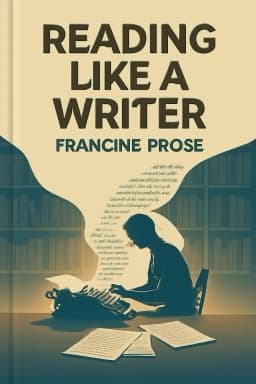
Think of yourself as a detective when you open a book. Every sentence holds clues, every detail a hidden message waiting to be uncovered. This is the essence of reading like a writer, a concept brought to life by Francine Prose in her influential work.
Close reading trains your eye to see what others might miss. For instance, recurring motifs such as light and darkness often foreshadow key events or symbolize internal conflicts. Understanding these patterns enriches your interpretation and informs your own storytelling choices.
Language itself becomes a code. Writers use euphemisms, dialect hints, and rhythm to convey mood and character without spelling everything out. This economy of expression is a hallmark of skilled writing, one that readers can learn to emulate by paying close attention.
Sentences are clues to tone and pacing. A rapid-fire succession of short sentences can create tension and urgency, while long, flowing sentences can evoke contemplation or beauty. Recognizing these effects helps you control your own narrative’s emotional tempo.
Paragraphs act like chapters in a mystery, guiding the reader’s breath and focus. Strategic breaks can build suspense or provide relief, much like a detective’s careful pacing of revelations.
Characters reveal themselves through contradictory actions and subtle gestures, much like suspects whose true motives are slowly uncovered. Dialogue serves as interrogation, revealing truths and lies through subtext and nuance.
By adopting this detective-like approach, you transform reading into an active investigation. This sharpens your analytical skills and deepens your empathy, both crucial tools for any writer. You learn not just to consume stories but to deconstruct and reconstruct them, enhancing your own creative process.
So next time you pick up a book, don’t just read—investigate. Look for the hidden clues, question the choices, and uncover the secrets woven into the text. Your writing will thank you for it.
In the next post, we’ll explore how these observations translate into crafting unforgettable characters and compelling dialogue that breathe life into your stories.
Want to explore more insights from this book?
Read the full book summary