
The Secret Superpower of Highly Sensitive People (And How to Thrive as One!)
Why Sensitivity Is a Gift—And How to Make It Work for You

Why Sensitivity Is a Gift—And How to Make It Work for You
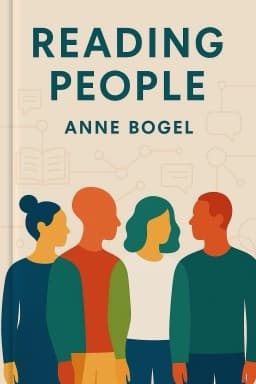
Do you ever feel overwhelmed by noise, chaos, or strong emotions? You might be among the 15–20% of people who are highly sensitive. Anne Bogel’s Reading People and modern psychology reveal that sensitivity is not a flaw, but a unique way of experiencing the world. Highly sensitive people (HSPs) process sensory and emotional input more deeply, making them empathetic, creative, and attuned to subtle details that others miss.
Sensitivity is often confused with shyness, but they’re not the same. Shyness is about fear of judgment, while sensitivity is about depth of processing. Many HSPs are outgoing and adventurous—but still need time to recharge after intense experiences.
The biggest challenge for HSPs is overwhelm. Loud environments, clutter, and emotional drama can quickly drain their energy. The good news? Small changes—like creating quiet spaces, practicing mindfulness, and saying no to draining commitments—can make a huge difference. Parents and partners of HSPs can help by offering empathy and flexibility, rather than criticism or pressure to “toughen up.”
But the gifts of sensitivity are profound. HSPs often excel in creative fields, build deep relationships, and spot opportunities or problems before others do. By honoring your sensitivity and learning to manage your environment, you can turn this trait into a superpower—one that brings beauty, compassion, and wisdom to the world.
If you’re highly sensitive, celebrate your unique way of being. The world needs your empathy, creativity, and insight more than ever.
Want to explore more insights from this book?
Read the full book summary