
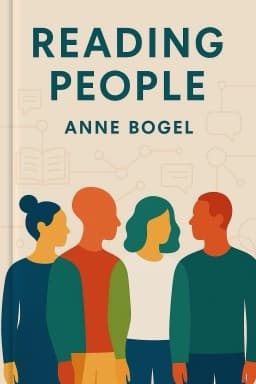
Unlocking the Secrets of Personality: What 'Reading People' Teaches Us About Ourselves (and Everyone Else!)
Discover the Hidden Patterns That Shape Your Life, Relationships, and Happiness

Discover the Hidden Patterns That Shape Your Life, Relationships, and Happiness
Have you ever wondered why your best friend recharges alone while you crave a bustling party, or why a heartfelt note means more to your partner than a fancy gift? Anne Bogel’s Reading People is a gentle invitation to explore the deep currents beneath our everyday behavior. In this blog, we’ll journey through the major insights of the book, weaving in practical wisdom, vivid stories, and a few surprising facts that will help you see yourself—and others—with new eyes.
Why We’re Drawn to Personality
Since ancient times, humans have sought to understand why we are the way we are. From Greek philosophers sorting people by temperaments to today’s viral personality quizzes, the urge to categorize and comprehend is universal. Personality frameworks aren’t about boxing us in—they’re about giving us maps to navigate our inner worlds. Understanding yourself is both ancient wisdom and a modern superpower.
Introverts, Extroverts, and the Dance of Energy
Bogel explains that introverts and extroverts differ not just in social preferences, but in how their brains process stimulation. Introverts often need quiet to recharge, while extroverts thrive on social energy. But most of us fall somewhere in between—and honoring your own rhythm is key to well-being. For example, knowing that caffeine affects introverts and extroverts differently can help you plan your workday or social calendar more wisely.
The Gifts (and Struggles) of Sensitivity
About 15–20% of people are highly sensitive, meaning they process sensory and emotional input more deeply. This can be a superpower for empathy, creativity, and insight—but it also means overwhelm can strike fast. Recognizing sensitivity—whether in yourself, a partner, or a child—allows for more compassionate routines and boundaries at home and work.
Love Languages: The Secret to Connection
One of the most practical takeaways from Reading People is the idea of love languages—five distinct ways people give and receive love. Miscommunication often arises not from lack of love, but from speaking different languages. Learning to spot and use a loved one’s primary language (words, time, gifts, service, or touch) can transform relationships overnight.
Temperaments and MBTI: Old Ideas, New Wisdom
The four classic temperaments—sanguine, choleric, melancholic, and phlegmatic—are echoed in modern frameworks like the MBTI. The MBTI’s four-letter types (like INFJ or ESTP) offer a practical, non-judgmental way to understand how we gather information and make decisions. But the real insight comes from the cognitive functions beneath each type, which explain why we shine in some areas and struggle in others.
Growth, Change, and Everyday Wisdom
Perhaps the most hopeful message of Reading People is that self-awareness leads to growth. While personality traits are stable, we can develop new skills, habits, and even resilience at any age. In teams, families, and friendships, honoring personality differences reduces conflict and builds trust. Small shifts—like using a colleague’s preferred communication style or a child’s love language—can make a big impact.
Celebrating the Adventure of Self-Discovery
In the end, understanding personality is not about self-absorption—it’s about self-acceptance and loving others better. The real adventure is ongoing: learning, adapting, and celebrating the wild diversity of human nature. So whether you’re a curious introvert, a sensitive soul, or a bold leader, Reading People offers practical wisdom for living well, loving deeply, and thriving together.
Ready to discover your own patterns? Grab a journal, take a personality quiz, or simply start noticing the rhythms of your day. The journey is just beginning.
Want to explore more insights from this book?
Read the full book summary