
Beyond the Pill: The Psychology Behind Pharmaceutical Advertising That Moves You
How pharmaceutical ads tap into your mind and emotions to influence health decisions

Have you ever wondered why some pharmaceutical ads stick with you long after you’ve seen them? Or why certain ads make you feel hopeful, anxious, or curious about a medication? The secret lies in the powerful psychological principles that advertisers harness to influence your health decisions.
The Health Belief Model provides a foundational understanding: people are motivated to take action when they perceive they are susceptible to a health condition, recognize the seriousness of that condition, believe the benefits of treatment outweigh the barriers, and feel confident they can successfully take action. Pharmaceutical ads craft messages to target each of these beliefs. For example, an ad might highlight symptoms to increase perceived susceptibility or emphasize improved quality of life to showcase benefits.
Social Cognitive Theory adds another layer, emphasizing observational learning. People learn not just from facts but by watching others, especially those they identify with. Ads featuring relatable models who appear to overcome health challenges create powerful role models that inspire viewers.
Advertisers use two primary appeal types: rational and emotional. Rational appeals present logical information about drug efficacy, safety, and side effects, helping consumers make informed choices. Emotional appeals tap into feelings — hope, fear, relief — to engage viewers on a deeper level. For instance, depression medication ads often use emotional storytelling, while cardiovascular drug ads rely more on data and facts.
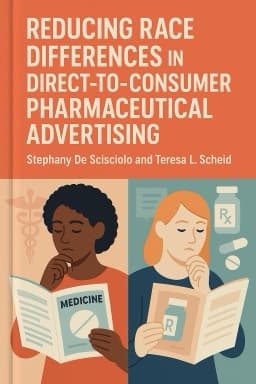
Visual representation matters greatly. Ads in Black-oriented magazines feature Black models, helping readers see themselves in the message and fostering trust. This alignment of imagery and audience is crucial for engagement, though educational content such as lifestyle advice is often limited.
Understanding these psychological mechanisms empowers consumers to critically evaluate pharmaceutical ads, recognizing the blend of education and persuasion. It also highlights opportunities for advertisers to improve messaging by incorporating holistic health information and culturally relevant content.
Next time you see a pharmaceutical ad, consider not just the words but how it makes you feel and why. This awareness is a step toward making health decisions that truly serve you.
Sources: 1 , 3
Want to explore more insights from this book?
Read the full book summary