
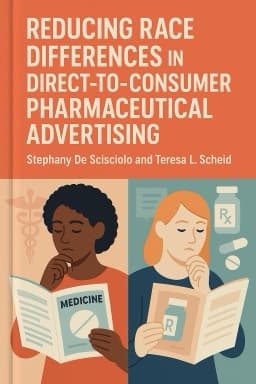
The Hidden Divide: How Pharmaceutical Ads Shape Racial Health Disparities
Unveiling the unequal world of drug ads and their profound impact on minority health outcomes

In today’s media landscape, pharmaceutical advertising is everywhere — from glossy magazine pages to television screens and digital platforms. But beneath this ubiquitous presence lies a less visible story: the unequal distribution of these ads across racial audiences and the consequences this has on health equity.
Historically, pharmaceutical advertising evolved from the patent medicine craze of the late 19th century, where exaggerated claims dominated, to the highly regulated, billion-dollar direct-to-consumer advertising (DTCA) industry we see today. The American Medical Association once fiercely opposed patent medicine ads to protect medical authority, but consumer empowerment movements in the 1970s shifted the landscape, opening the door for companies to speak directly to patients. This shift was revolutionary, increasing awareness but also raising concerns about misinformation and overmedicalization.
Psychological theories such as the Health Belief Model explain why these ads can motivate consumers. People act when they perceive susceptibility to a condition, recognize its severity, believe in the benefits of treatment, and feel barriers are manageable. Ads that feature relatable models and emotional appeals tap into these motivations, leveraging observational learning to influence behavior.
Yet, research reveals that Black-oriented magazines receive far fewer pharmaceutical ads than White-oriented ones — sometimes less than a quarter of the volume. Moreover, the types of drugs advertised differ, with Black audiences seeing more ads for diabetes and depression drugs, while White audiences get a broader range including cardiovascular and cancer medications. Despite FDA recommendations aimed at improving equity, these disparities persist, underscoring the limits of voluntary guidelines.
The content of ads also varies subtly. Black-oriented magazines feature more Black models, fostering identification, but educational content on nondrug interventions like diet and exercise is often missing across the board. Emotional appeals are used more in ads for depression drugs, while cardiovascular ads rely on rational information. However, these appeal strategies do not significantly differ by audience race, suggesting marketers prioritize drug type over cultural tailoring.
Regulatory oversight by the FDA remains reactive, with post-publication reviews and declining enforcement actions. The pharmaceutical industry’s voluntary guidelines lack strong enforcement, allowing inconsistencies to continue. This regulatory gap combined with unequal advertising exposure contributes to ongoing health disparities by limiting minority communities’ access to vital health information.
To address these challenges, stronger, enforceable policies are needed alongside collaborative efforts between regulators, industry, and communities. Including holistic health messages and financial assistance info can empower consumers beyond medication facts. Ongoing research and adaptive strategies will ensure advertising evolves with changing media and population needs.
Pharmaceutical advertising holds untapped potential as a tool for education and empowerment. By bridging divides in access and content, it can help reduce health disparities and foster a more equitable healthcare landscape. Understanding this hidden divide is the first step toward meaningful change.
Sources: 1 , 2 , 4
Want to explore more insights from this book?
Read the full book summary