
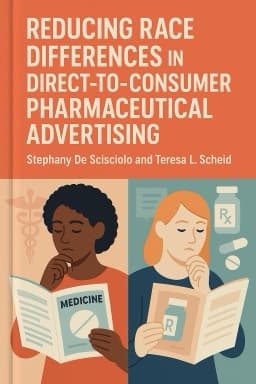
Unequal Ads, Unequal Health: The Stark Reality of Racial Disparities in Drug Marketing
Why Black audiences see fewer and different pharmaceutical ads — and what it means for health outcomes

Imagine flipping through your favorite magazine and seeing dozens of pharmaceutical ads promoting the latest treatments for heart disease, cancer, or depression. Now imagine a similar magazine aimed at a Black audience, but with only a fraction of those ads, focusing narrowly on a few conditions. This is not hypothetical — it is a documented reality that reveals deep-seated disparities in how health information reaches different communities.
Studies show that White-oriented magazines contain over four times as many pharmaceutical ads as Black-oriented magazines. This gap persists despite similar readership engagement and FDA recommendations aimed at improving equity. Furthermore, the types of drugs advertised differ: Black audiences see more ads for diabetes, depression, and asthma, while White audiences get a wider range including cardiovascular and cancer drugs.
The content and appearance of ads also reflect these disparities. Black-oriented magazines feature Black models more often, supporting identification, but educational content on nondrug interventions is limited across all ads. Emotional appeals vary by drug type but not significantly by audience race, indicating that marketers focus on drug characteristics over cultural tailoring.
The FDA’s regulatory role is limited and largely reactive, with enforcement actions declining over time. Voluntary industry guidelines lack enforcement power, allowing disparities to continue unchecked. This results in unequal access to vital health information, contributing to persistent health disparities.
Addressing these inequities requires more than voluntary recommendations. Stronger regulations, collaborative efforts with communities, and inclusion of holistic health messaging are essential. Without such changes, the divide in pharmaceutical advertising will continue to mirror and perpetuate broader societal inequities.
Sources: 1 , 2
Want to explore more insights from this book?
Read the full book summary