
Why the Future of Work Is Already Here: The Teal Revolution Explained
How Teal Organizations Are Quietly Transforming How We Work, Lead, and Live

How Teal Organizations Are Quietly Transforming How We Work, Lead, and Live
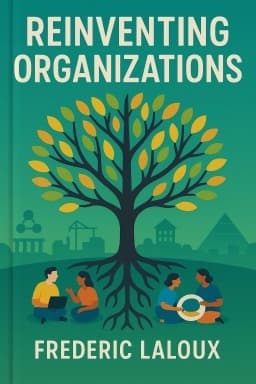
Imagine walking into an office where there are no bosses, no rigid job titles, and no endless chains of approval. Instead, you find small, self-organizing teams, vibrant with energy, where everyone has a voice and decisions are made by those closest to the action. This isn’t a utopian fantasy—it’s the daily reality in a growing number of organizations inspired by Frederic Laloux’s groundbreaking book, 'Reinventing Organizations.'
Laloux’s research, which draws on dozens of case studies from around the world, reveals that the dominant models of work—hierarchical, rule-bound, and profit-obsessed—are giving way to something radically new. He calls these new entities 'Teal organizations.' They are characterized by three core breakthroughs: self-management, wholeness, and evolutionary purpose.
Self-management means authority is distributed, not centralized. There are no managers telling people what to do; instead, teams organize themselves, set their own goals, and hold each other accountable. This leads to faster decisions, greater engagement, and surprising levels of innovation. For example, Buurtzorg, a Dutch home-care organization, eliminated layers of management and empowered nurses to make all patient-care decisions. The result? Higher patient satisfaction, happier staff, and lower costs.
Wholeness is about bringing your full self to work. In most organizations, people hide parts of themselves—emotions, vulnerabilities, even creativity—behind a mask of professionalism. Teal organizations create safe spaces for authenticity. Meetings might start with a moment of silence or a check-in, allowing people to share what’s really going on. This simple shift unlocks energy, trust, and collaboration. In a French manufacturing company, FAVI, workers greet each other with hugs and laughter, and even the CEO participates in daily tasks on the factory floor.
Evolutionary purpose is the third breakthrough. Teal organizations see themselves as living systems, not machines. Instead of chasing quarterly targets, they listen for what the organization wants to become. Purpose is not set by the founder or board; it emerges from the collective. This allows organizations to adapt quickly and serve a deeper mission. In the world of education, some schools now let teachers and students co-create the curriculum, responding to the needs and passions of the moment.
These changes are not easy. Moving to Teal requires courage, trust, and a willingness to let go of old habits. Many organizations experiment, fail, and try again. But the results speak for themselves: higher engagement, lower turnover, greater innovation, and—most importantly—workplaces that heal rather than harm. The Teal revolution is not just about productivity; it’s about reclaiming our humanity at work.
So, if you’re tired of rigid hierarchies, soulless meetings, or feeling like a cog in the machine, know that a new way is possible—and it’s already here. The future of work is Teal, and it’s waiting for you to step in. 1 2 4
Want to explore more insights from this book?
Read the full book summary