
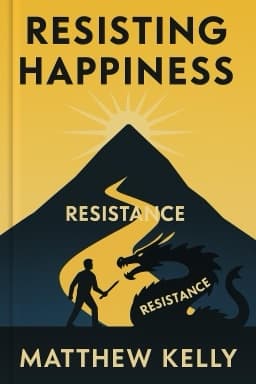
The Hidden Enemy Within: How Resistance Steals Your Dreams
Discover the psychological roots of resistance and practical strategies to defeat it before it steals your future.

Resistance is a silent thief. It creeps into your mind and steals your dreams, not with force but with subtlety. It disguises itself as procrastination, fear, doubt, or even perfectionism. But at its core, resistance is an internal psychological enemy that everyone faces, regardless of background or ambition.
Imagine a student who wants to write a novel but finds every excuse to avoid the first page. Or an entrepreneur who dreams of starting a business but is paralyzed by fear of failure. Resistance whispers, 'Later,' 'Not good enough,' or 'Too hard.' It thrives on hesitation and distraction.
Resistance is universal. Presidents, artists, teachers, and students all face it. The difference lies in those who recognize resistance and choose to confront it. Naming resistance is powerful because it transforms an invisible foe into a known adversary. Once identified, you can develop strategies to defeat it.
One paradox of resistance is that it causes us to resist happiness itself. We know what actions would bring joy—exercise, meaningful work, prayer—but resistance tempts us to avoid them. This internal conflict often leads to frustration and confusion.
To combat resistance, start by observing your triggers. When do you feel the urge to procrastinate or doubt yourself? What excuses do you tell yourself? Awareness is the first weapon. Next, build small habits that counter resistance, such as setting a timer for focused work, practicing daily prayer, or seeking accountability.
Remember, resistance is not an enemy to be defeated once and for all but a daily battle. Each act of courage, each choice to move forward, weakens resistance’s grip. Over time, these small victories accumulate, leading to a joyful and purposeful life.
By understanding and confronting resistance, you protect your dreams from the silent thief and step into your fullest potential.
Want to explore more insights from this book?
Read the full book summary