
Morning Routines and Deep Play: Secrets of the World’s Most Creative Minds
How Great Achievers Use Routine and Play to Unlock Genius

How Great Achievers Use Routine and Play to Unlock Genius
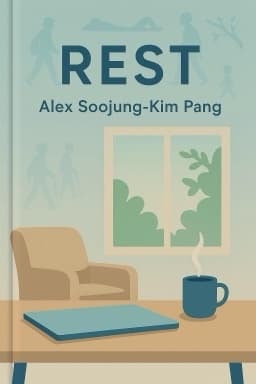
Behind every great achievement lies a hidden rhythm—a pattern of effort and renewal that shapes the lives of the world’s most creative minds. In Rest: Why You Get More Done When You Work Less, Alex Soojung-Kim Pang uncovers the daily rituals that fuel innovation, from quiet morning routines to the joyful pursuit of deep play. The blog explores how these habits are not just quirks, but deliberate strategies for sustaining creativity over a lifetime.
Many celebrated creators, from novelists to scientists, begin their days early, carving out hours of uninterrupted focus before the world awakens. They block time for deep work, then step away while still inspired—leaving a thread to pick up the next day. This technique keeps motivation high and prevents burnout. But their routines don’t end with work. They make space for deep play: immersive hobbies that challenge and delight, such as hiking, music, or chess. These activities refresh the mind and spark new ideas, making them an essential part of the creative process.
Deep play is more than relaxation; it’s a source of renewal and insight. When we immerse ourselves in challenging, enjoyable activities outside work, we build resilience, sharpen our thinking, and discover fresh perspectives. Pang shares stories of high achievers who credit their greatest breakthroughs to time spent on mountainsides, in orchestras, or at chessboards. These moments of flow sustain creativity and bring joy to the everyday.
To build your own rhythm, start by protecting your mornings for focused work. Schedule breaks, embrace hobbies, and allow yourself to stop before exhaustion sets in. Over time, you’ll find that your energy, creativity, and satisfaction soar. The secret isn’t to work more, but to work and rest with intention.
In the end, the habits of the world’s most creative people are within reach for all of us. By embracing routine and deep play, you can unlock your own genius and lead a richer, more fulfilling life.
Want to explore more insights from this book?
Read the full book summary