
The Science of Rest: How Your Brain Solves Problems When You’re Not Working
Why Your Best Ideas Happen in the Shower, Not the Boardroom
Why Your Best Ideas Happen in the Shower, Not the Boardroom
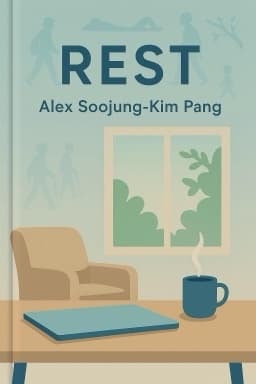
Have you ever noticed how your most creative ideas arrive not when you’re staring at a screen, but when you’re taking a walk, showering, or simply daydreaming? This is no accident. As Alex Soojung-Kim Pang explains in Rest: Why You Get More Done When You Work Less, the brain’s default mode network (DMN) becomes most active precisely when we step away from focused tasks. This hidden engine of creativity consolidates memories, processes emotions, and forges new connections—often leading to those 'aha' moments that change everything.
Neuroscientific studies reveal that during downtime, the DMN lights up like a city at night. This network is responsible for what psychologists call the incubation effect: when you hit a mental roadblock, stepping away allows your subconscious to work in the background, eventually serving up the solution when you least expect it. This is why so many inventors and artists have credited their breakthroughs to walks in nature, naps, or even idle moments spent gardening.
Daydreaming, once considered a waste of time, is now recognized as a powerful tool for innovation. When you let your mind wander, you’re not being lazy—you’re giving your brain the freedom to explore, combine, and create. Short naps, too, have been shown to enhance memory and spark insight, as evidenced by countless scientific experiments and the habits of high performers.
To harness this power, Pang suggests building unstructured time into your day. Schedule breaks, take walks, and allow yourself to drift. Trust that your brain is working behind the scenes. Over time, you’ll notice patterns, solutions, and inspirations emerging from the quiet spaces between effort. The science is clear: rest is not a luxury, but a necessity for creative problem-solving.
In conclusion, the next time you feel stuck, resist the urge to push harder. Step away, breathe, and let your brain do what it does best. Your next big idea might be waiting in the silence.
Want to explore more insights from this book?
Read the full book summary