
Why Working Less Makes You Smarter: The Rest Revolution
Unlocking Your Brain’s Hidden Potential by Doing Less

Unlocking Your Brain’s Hidden Potential by Doing Less
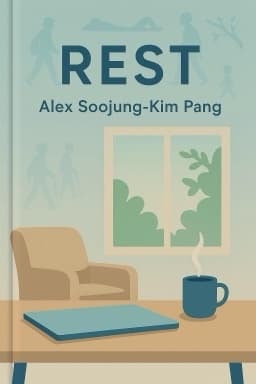
Imagine a world where the most celebrated minds—scientists, writers, entrepreneurs—spend only a few hours each day in deep, focused work, then step away to walk, nap, or simply let their thoughts roam. This is not a fantasy, but a reality documented in Alex Soojung-Kim Pang’s groundbreaking book, Rest: Why You Get More Done When You Work Less. In a culture obsessed with hustle, Pang’s message is both soothing and revolutionary: rest is not the enemy of productivity, but its greatest ally.
For decades, we’ve been taught that the path to achievement is paved with long hours, sleepless nights, and relentless effort. Yet, as Pang reveals through historical research and modern neuroscience, the brain does its best work when given time to recover and wander. The world’s most prolific creators—from Charles Darwin to Maya Angelou—crafted their routines to alternate between intense concentration and deliberate rest. They limited their deep work to four hours or less, then spent the rest of the day walking, reading, or enjoying leisure. Far from being lazy, these intervals allowed their minds to incubate ideas and make novel connections.
Modern science backs up these habits. When we rest, the brain’s default mode network lights up, consolidating memories, solving problems, and generating insights. Daydreaming and mind-wandering, once dismissed as distractions, are now recognized as essential for creativity. Even short naps can reboot our mental energy, sharpen memory, and spark breakthroughs.
But rest is not just about stopping. Pang introduces the concept of deliberate rest: intentional activities that restore our energy and inspire us. This includes everything from morning routines and time-blocking to walking meetings and deep play—hobbies that challenge and delight us outside work. The blog shares stories of Nobel laureates who made their discoveries while on vacation, and tech leaders who credit their clarity to regular sabbaticals.
Finally, the blog challenges the toxic myth of overwork. Studies show that productivity plummets after 50 hours a week, and that chronic busyness leads to mistakes, burnout, and declining health. True success, Pang argues, is measured by the richness of our days and the sustainability of our achievements. The post concludes with practical tips for readers: schedule regular breaks, embrace nature, leave work at work, and treat rest as a skill to be honed. By making rest a daily practice, we unlock our hidden potential and find a deeper, more joyful path to accomplishment.
Want to explore more insights from this book?
Read the full book summary