
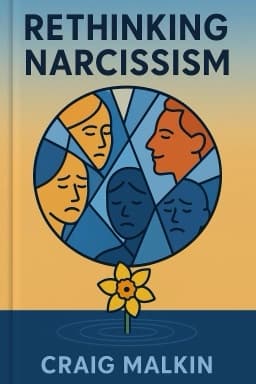
How to Spot—and Survive—Unhealthy Narcissists in Your Life
Red flags, real stories, and expert strategies for protecting your heart and mind.

Have you ever felt drained after a conversation with someone who always makes it about them? Or found yourself doubting your own reality after being subtly manipulated? Unhealthy narcissists are everywhere, but they don’t always fit the stereotype. Some dominate conversations and seek the spotlight; others charm you with empathy before revealing their self-centered motives.
Red Flags to Watch For
Warning signs include dodging vulnerability, blaming others for mistakes, manipulating situations to their advantage, and refusing to accept criticism. Even quiet narcissists may use charm to control or avoid intimacy. If you often feel invisible, devalued, or exhausted in someone’s presence, you may be dealing with unhealthy narcissism.
How to Protect Yourself
Set clear boundaries—decide what you will and won’t tolerate. Practice self-care, seek support from friends or professionals, and remember that you’re not responsible for fixing others. Empathy prompts can sometimes help narcissists develop more compassion, but change is slow and requires willingness.
Hope for Change
Recent research shows that even those high on the narcissism spectrum can increase their empathy through targeted exercises and therapy. If you’re in a relationship with a narcissist, focus on your own growth and well-being. Sometimes, the healthiest choice is to walk away.
The Bottom Line
Unhealthy narcissism can be challenging, but with awareness and the right tools, you can protect your heart and mind—and even inspire positive change.
Want more strategies for healthy relationships? Dive deeper into the spectrum of narcissism and discover how to build resilience and empathy in every part of your life.
Want to explore more insights from this book?
Read the full book summary