
Is Social Media Making Us All Narcissists? The Surprising Science
How Instagram, Facebook, and TikTok change the way we see ourselves—and what you can do to stay sane.

Every day, billions of people share photos, updates, and achievements on platforms like Instagram, Facebook, and TikTok. Critics warn that this is fueling a narcissism epidemic, but the truth is far more complex. Social media can amplify both the best and worst in us, depending on how we use it.
The Science of Online Narcissism
Studies show that social media can boost self-esteem when used for genuine connection—sharing milestones, seeking support, or building communities. But when users focus on likes and validation, it can fuel insecurity, envy, and unhealthy narcissism. The 'Instagram effect' describes how carefully curated images lead to constant comparison, making users feel inadequate or left out.
Digital Echoism: Hiding in Plain Sight
Not everyone seeks the spotlight online. Some users practice digital echoism—hiding their true selves, avoiding posting, or lurking without engaging. While this can protect privacy, it can also lead to loneliness and a sense of invisibility.
Healthy Engagement: Tips for the Digital Age
To use social media mindfully, set boundaries: limit screen time, unfollow accounts that trigger comparison, and focus on authentic interactions. Share your real experiences, not just highlights. Practice gratitude and celebrate others’ successes as well as your own.
The Takeaway
Social media is not inherently good or bad—it’s a tool. Used wisely, it can foster connection, creativity, and even healthy narcissism. Used carelessly, it can erode self-worth and deepen loneliness. The choice is yours.
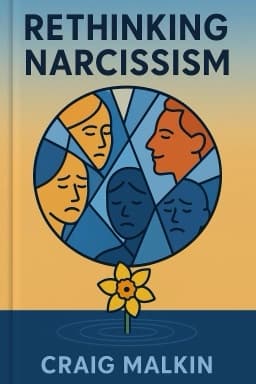
Want to learn more about how to balance self-esteem in the digital age? Explore Craig Malkin’s insights on the spectrum of narcissism and how to thrive online and offline.
Want to explore more insights from this book?
Read the full book summary