
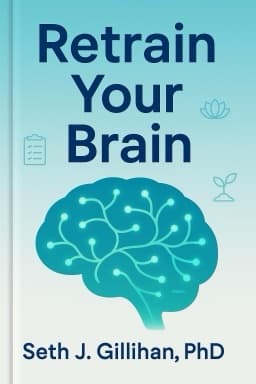
Unlock Your Mind: How Cognitive Behavioral Therapy Can Revolutionize Your Mental Health Today!
Discover the transformative power of CBT and how it can reshape your thoughts, emotions, and behaviors for lasting well-being.

Cognitive Behavioral Therapy, or CBT, is not just another psychological buzzword; it is a scientifically grounded method that has revolutionized how we understand and treat mental health issues like anxiety and depression. Rooted in the fusion of behavioral conditioning and cognitive restructuring, CBT offers a practical, time-limited, and evidence-based approach to healing. Unlike traditional psychoanalysis, which often delves deeply into past traumas over years, CBT focuses on the here and now—how your thoughts, feelings, and behaviors interact and how changing one can change the others.
Imagine Ted, who once loved crossing a wooden footbridge but became trapped by sudden fear. Through CBT, he learns to challenge his catastrophic thoughts and gradually faces the bridge, reclaiming freedom step by step. This story exemplifies the core of CBT: practical, collaborative, and empowering.
Understanding the nature of anxiety and depression is essential. Anxiety, while adaptive in small doses, becomes debilitating when excessive, manifesting as phobias, panic attacks, or chronic worry. Depression is more than sadness; it drains energy, motivation, and joy. Globally, millions suffer, underscoring the urgent need for effective interventions.
Setting personal goals anchored in your values transforms therapy from a vague hope to a clear journey. By clarifying what truly matters, you build motivation and direction. Daily activity monitoring helps track progress and adjust goals, ensuring therapy stays relevant and manageable.
Behavioral activation—the practice of engaging in valued activities—is a powerful antidote to withdrawal and low mood. Starting small, like a weekly jog or reconnecting with friends, can have antidepressant effects comparable to medication.
Our thoughts weave the fabric of our emotional experience. Automatic negative thoughts often go unnoticed but fuel distress. With mindfulness and practice, you can recognize these fleeting mental events and begin to challenge them.
Challenging cognitive distortions such as all-or-nothing thinking or catastrophizing involves gathering evidence and developing balanced perspectives. This skill builds resilience, helping you see the full picture rather than a distorted snapshot.
Managing your time and breaking tasks into achievable steps reduces overwhelm and procrastination, common barriers in anxiety and depression. Tools like planners, reminders, and accountability partners support sustained progress.
Finally, embracing courage through gradual exposure to feared situations retrains your brain’s threat response, diminishing avoidance and building confidence. Integrating all CBT skills with mindfulness and relapse prevention strategies ensures lasting change.
CBT’s effectiveness is supported by extensive research, showing superiority over medication alone in many cases and a growing global market reflecting its expanding role in mental health care. This approach is accessible, adaptable, and empowering—offering hope and healing to millions worldwide.
Embark on your CBT journey today and unlock the transformative power within your mind.
Sources: The Psych Update January 2024 Review, PubMed Clinical Studies, ScienceDirect Analysis, Towards Healthcare Market Insights 1 2 3 4
Want to explore more insights from this book?
Read the full book summary