
7 Surprising Facts About Anxiety Your Doctor Never Told You
The Science Behind Your Symptoms—and the Hope for Change

The Science Behind Your Symptoms—and the Hope for Change
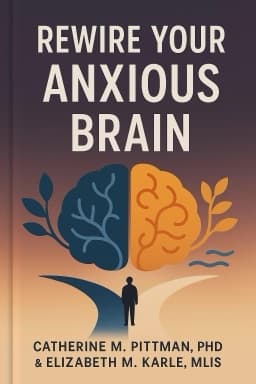
Anxiety is often misunderstood—even by those who experience it every day. While many people know the basics, the real science behind anxiety is filled with surprises that can change the way you see your mind and body. Drawing from 'Rewire Your Anxious Brain' and cutting-edge research, here are seven facts that might just transform your approach to anxiety.
- Your Amygdala Reacts Before You Think: The amygdala can trigger anxiety before your conscious brain even knows what’s happening. That’s why you might feel panic before you realize why.
- Emotional Memories Have No Words: The amygdala stores memories as feelings and sensations, not as stories or images. This is why you can feel anxious in certain places or situations without knowing the reason.
- Triggers Can Be Completely Random: The amygdala links anything present during a stressful event—sounds, smells, sights—to future anxiety, regardless of logic.
- Your Thoughts Can Cause Panic: The cortex can send danger signals to the amygdala, creating a physical response even when the threat is only imagined.
- Adults Can Rewire Their Brains: Neuroplasticity means your brain is always changing. New habits, experiences, and thoughts can create new pathways for calm at any age.
- Avoidance Makes Anxiety Worse: Every time you avoid a trigger, your brain learns to fear it more. Facing fears, even in small steps, is the path to healing.
- Self-Compassion Is a Superpower: Being kind to yourself reduces anxiety and helps your brain recover from stress. It’s not just nice—it’s scientifically proven to work.
Understanding these facts can empower you to take new actions. Practice facing your fears gently, use relaxation to calm your body, and treat yourself with patience and kindness. The science is clear: change is always possible.
Armed with these facts, you’re ready to start your own journey to a calmer, more resilient brain.
Want to explore more insights from this book?
Read the full book summary