
Why Your Brain Makes You Anxious—And How to Rewire It for Peace
From Panic to Peace: The Science-Backed Guide to Understanding and Mastering Anxiety

From Panic to Peace: The Science-Backed Guide to Understanding and Mastering Anxiety
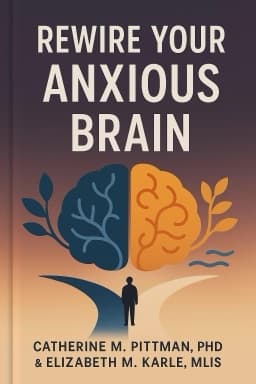
Have you ever wondered why anxiety seems to strike out of nowhere, or why certain worries refuse to let go? The answer lies deep within your brain, in two powerful regions that evolved to keep you safe—but sometimes work a little too hard. In 'Rewire Your Anxious Brain,' Pittman and Karle break down the neuroscience of anxiety, showing that understanding your brain is the first step to lasting peace.
The amygdala is your ancient alarm system, always scanning for danger and ready to launch you into fight-or-flight mode. It doesn’t wait for your permission. That’s why you might feel your heart racing at a loud noise or a sudden memory. The cortex, meanwhile, is the source of your thoughts and worries. It’s the storyteller, replaying past mistakes and imagining future disasters. Together, these two regions create a web of anxiety that can feel impossible to escape.
But here’s the good news: your brain can change. Thanks to neuroplasticity, every new experience, every moment of calm, and every act of courage rewires your neural circuits. This means that even if anxiety has been your companion for years, you can teach your brain new ways to respond.
The key is to match your strategy to the source of your anxiety. If your amygdala is in charge—triggering panic or physical symptoms—focus on relaxation and gentle exposure to triggers. If your cortex is fueling obsessive thoughts, practice cognitive defusion and mindfulness. And if both are involved (which is often the case), an integrated approach works best.
One powerful tool is exposure therapy. By gradually facing your fears in a safe way, you teach your amygdala that the world is not as dangerous as it once believed. Another is thought reframing: when you catch yourself spiraling into worry, pause, name the thought, and let it pass. Over time, these practices weaken the old anxiety pathways and strengthen new ones for calm.
Of course, change doesn’t happen overnight. It’s a journey of small steps, daily habits, and self-kindness. Celebrate each victory, learn from setbacks, and remember that resilience is built through practice. With each new day, your brain becomes more capable of peace and less ruled by fear.
In the end, anxiety is not a life sentence. With the right knowledge and tools, you can rewire your brain for a lifetime of calm and confidence.
Want to explore more insights from this book?
Read the full book summary