
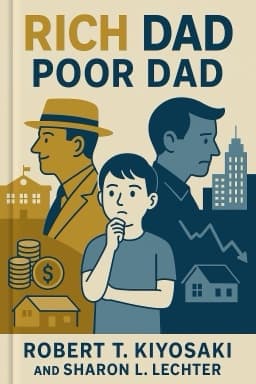
Why Most People Fail Financially (And What Rich Dad Poor Dad Teaches to Fix It)
Uncover the hidden reasons behind financial struggles and how to break free with proven strategies.

Have you ever wondered why so many smart, hardworking people still find themselves struggling financially? The answer lies not in how much money they make but in how they think about money and manage it.
One of the most eye-opening lessons from Rich Dad Poor Dad is that financial education is the missing piece in our traditional schooling. Schools teach us to work hard, get degrees, and find stable jobs but rarely teach us how money works. This gap leaves many unprepared to handle the complexities of personal finance.
Another critical mistake is mistaking liabilities for assets. A new car or a big house might feel like wealth, but if they drain your bank account, they are liabilities. The rich focus on acquiring assets—things that put money in their pockets, such as rental properties, stocks, or businesses.
Fear is another powerful barrier. Fear of losing money, fear of failure, or fear of the unknown keeps many from taking the necessary risks to grow their wealth. But risk is an inherent part of financial growth, and managing it wisely is a skill that can be learned.
Additionally, bad habits like procrastination, excessive spending, and avoidance of learning compound financial difficulties. Replacing these with self-discipline, budgeting, and continuous education can dramatically improve financial outcomes.
For example, instead of spending a raise on luxury items, channel that money into investments that generate passive income. Over time, this strategy leads to financial independence.
In conclusion, Rich Dad Poor Dad teaches that financial success is accessible to anyone willing to learn and change. It’s about rewiring your mindset, developing smart habits, and taking control of your financial education.
By understanding these principles and applying them consistently, you can break free from financial struggle and build a prosperous future. 1 2 3
Want to explore more insights from this book?
Read the full book summary