
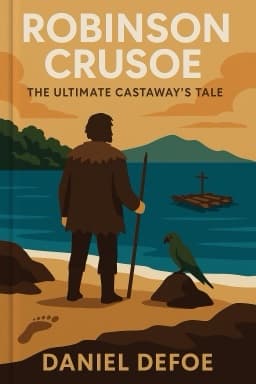
How Robinson Crusoe Defined the Survival Genre and Why It Still Resonates Today
Explore how a 1719 novel shaped survival storytelling for centuries.

When Daniel Defoe published Robinson Crusoe in 1719, few could have predicted its lasting impact on literature and popular culture. Often hailed as the first English novel, it laid the groundwork for the survival genre that continues to captivate readers worldwide.
Defoe’s novel is remarkable for its meticulous attention to detail and realism. Crusoe’s day-to-day struggles—constructing a fortress, farming, hunting—are described with such precision that readers feel immersed in the experience. This level of detail was revolutionary at the time and helped establish a new narrative style focused on individual experience and practical survival.
Beyond physical survival, Defoe explores the psychological effects of isolation. Crusoe’s loneliness, fears, and eventual spiritual awakening add emotional depth, making the story resonate on a human level. This combination of practical adventure and inner transformation is a hallmark of the survival genre.
The novel also reflects the colonial mindset of the 18th century. Crusoe’s domination of the island and his relationship with Friday mirror European imperial attitudes, providing a window into historical perspectives on race, power, and civilization.
Its influence is evident in countless works that followed, from castaway tales to modern survival dramas. The themes of resilience, ingenuity, and the quest for meaning in adversity continue to inspire readers and creators alike.
In essence, Robinson Crusoe’s legacy endures because it speaks to fundamental human experiences—our drive to survive, adapt, and find purpose even in the most challenging circumstances.
Want to explore more insights from this book?
Read the full book summary