
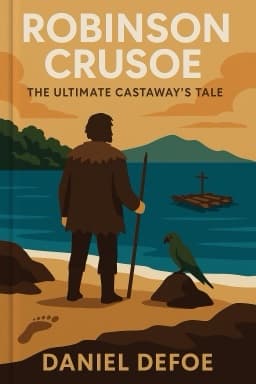
Robinson Crusoe’s Legacy: How a Castaway Shaped Modern Storytelling
Tracing the far-reaching impact of Robinson Crusoe on literature and culture.

Since its publication in 1719, Daniel Defoe’s Robinson Crusoe has left an indelible mark on literature and culture. As one of the earliest English novels, it helped define the novel form and set the stage for modern storytelling.
The novel’s themes of survival, self-reliance, and adventure have inspired countless works across genres. From other castaway tales to modern survival dramas, the archetype of the lone hero battling nature owes much to Defoe’s creation.
Robinson Crusoe also sparked discussions on colonialism, individualism, and faith, themes that continue to be explored and reinterpreted in contemporary works. Its influence extends beyond literature into film, theater, and popular culture, cementing its status as a cultural touchstone.
Moreover, the novel’s portrayal of human resilience and ingenuity resonates universally, making it a timeless story that speaks to fundamental aspects of the human experience.
In summary, Robinson Crusoe’s legacy is vast and multifaceted, shaping how stories of adventure, survival, and personal growth are told and understood around the world.
Want to explore more insights from this book?
Read the full book summary