
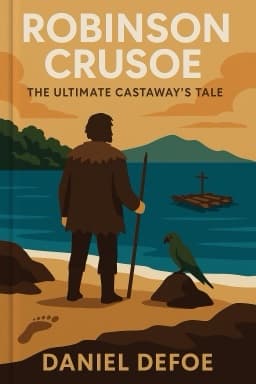
Stranded and Surviving: The Untold Secrets of Robinson Crusoe’s Island Adventure
Dive deep into the gripping tale of survival and transformation on a desert island.

Daniel Defoe’s Robinson Crusoe is often celebrated as one of the first English novels and a timeless survival story. But beneath its thrilling narrative of shipwreck and solitude lies a profound exploration of human resilience, ingenuity, and transformation. Crusoe’s journey from reckless youth to a seasoned survivor is not just a tale of physical endurance but also one of spiritual awakening and psychological growth.
At the heart of the novel is Crusoe’s ability to adapt. Stranded alone on a deserted island, he faces the immense challenge of creating a livable environment from scratch. His resourcefulness shines as he salvages tools from the wreck, constructs shelter, and learns to hunt and farm. These acts symbolize mankind's capacity to impose order on chaos and to survive against overwhelming odds.
Yet, the novel is equally a spiritual journey. Crusoe’s isolation leads him to deep reflection and religious faith, which becomes a source of hope and redemption. This spiritual dimension elevates the story from mere adventure to a meditation on human morality and divine providence.
Moreover, Robinson Crusoe reflects the social and economic realities of its time. Crusoe’s initial rebellion against his father’s advice and his later colonial mindset on the island mirror 18th-century European values and imperialist attitudes. His interactions with Friday, the native companion he rescues, reveal complex dynamics of power, culture, and friendship.
Through its rich narrative and layered themes, the novel has influenced countless works of literature and remains a powerful story about survival, faith, and the human spirit’s indomitable will.
In sum, Defoe’s masterpiece is not just about being stranded on an island; it is about the universal human journey through adversity toward self-discovery and redemption.
Want to explore more insights from this book?
Read the full book summary