
Why Interactive Storytelling is the Future: Lessons from a Shakespearean Adventure
Explore how interactive narratives transform reading into immersive experiences, with insights from a Shakespearean choose-your-own-adventure.

In a world saturated with digital media, the way we consume stories is rapidly evolving. Interactive storytelling, where readers become decision-makers shaping the narrative, is emerging as a powerful tool for engagement and education. A prime example is the choose-your-own-adventure adaptation of Shakespeare’s Hamlet, which transforms a centuries-old tragedy into a dynamic experience filled with choices, consequences, and humor.
Interactive narratives like this offer several key benefits. First, they cultivate critical thinking by requiring readers to weigh options and anticipate outcomes. Each decision leads to different endings, some resulting in character death, others in unexpected alliances or reconciliations. This branching structure mirrors real-life complexities, encouraging readers to reflect on morality, autonomy, and consequence.
Secondly, such stories deepen empathy. By stepping into the shoes of characters like Romeo or Juliet, readers experience diverse perspectives, from romantic idealism to rebellious strength. The narrative’s emphasis on consent and respect further enriches this emotional learning, aligning with contemporary values.
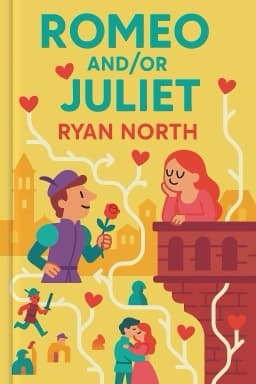
Moreover, interactive books appeal to a broad audience, including reluctant readers who may find traditional texts daunting. The playful humor, absurd scenarios, and visual cues—such as hearts marking choices—make the reading experience accessible and enjoyable. This format also supports repeated readings, as each path reveals new facets of the story.
Looking ahead, interactive storytelling represents a convergence of literature, technology, and pedagogy. It invites readers not just to consume stories but to co-create them. This participatory approach fosters a lifelong love of reading and a deeper understanding of narrative complexity.
In conclusion, the Shakespearean choose-your-own-adventure exemplifies the potential of interactive storytelling to revolutionize how we engage with literature. By blending classic themes with modern interactivity, it paves the way for stories that are as diverse and multifaceted as the readers themselves.
Want to explore more insights from this book?
Read the full book summary