
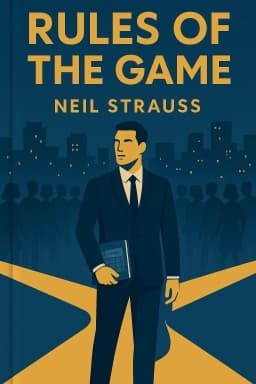
Unlocking the Social Matrix: What ‘The Game’ Really Teaches About Life, Attraction, and Growth
How Neil Strauss’s Journey from Outsider to Insider Reveals the Hidden Codes of Human Connection

How Neil Strauss’s Journey from Outsider to Insider Reveals the Hidden Codes of Human Connection
When Neil Strauss set out to infiltrate the mysterious world of pickup artists, he was driven by curiosity, insecurity, and a desire for change. What he found was not just a playbook for seduction, but a crucible for personal transformation. ‘The Game’ is more than a memoir of wild parties and secret societies; it’s a roadmap for anyone who wants to understand—and ultimately master—the art of social connection.
At its core, the book is about self-assessment. Strauss begins his journey as an outsider, painfully aware of his social shortcomings. He journals, reflects, and sets clear goals, learning that the first step to change is honest self-reflection. This is a lesson that applies far beyond romance: whether you want to improve your career, friendships, or confidence, you must first know yourself.
Soon, the focus shifts to the power of small talk—the simple, often overlooked skill that unlocks doors to connection. Strauss practices approaching strangers, learning that every interaction is a chance to build courage. The science backs this up: every successful social exchange, no matter how minor, creates a feedback loop that reduces anxiety and builds confidence. Even the most introverted can become socially fluent through daily practice. 2
But ‘The Game’ also delves into the mechanics of attraction. Strauss discovers that value is demonstrated, not declared, and that playful teasing, storytelling, and genuine curiosity are far more attractive than canned lines or bravado. Real-world examples in the book show how body language, vocal tone, and subtle social cues communicate confidence and intent.
Perhaps the most powerful lessons come from failure. Rejection, Strauss learns, is not a verdict but a feedback mechanism. The most successful people in any field are those who treat setbacks as stepping stones, not stop signs. Emotional resilience—built through reflection, journaling, and community support—is what separates those who grow from those who give up.
As Strauss’s journey unfolds, it becomes clear that the pursuit of connection is universal. The techniques he learns are just tools; the real transformation comes from integrating new habits, seeking feedback, and embracing lifelong growth. In the end, ‘The Game’ is a call to action: to step into the world, face your fears, and write your own story of connection and self-discovery. Whether you’re looking for love, friendship, or simply a better version of yourself, the lessons of ‘The Game’ can light the way.
For those who want to go deeper, the book’s legacy continues to spark debate and inspire new generations to explore the science and art of social dynamics. The journey, as Strauss reminds us, never truly ends. 1 2 3
Want to explore more insights from this book?
Read the full book summary