
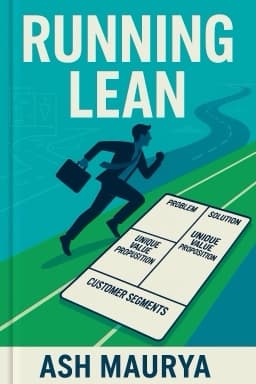
Why Prioritizing Risks Could Be the Difference Between Startup Success and Failure
Learn how focusing on the riskiest assumptions first accelerates learning and saves your startup from costly mistakes.

Every startup is a gamble, but some bets are smarter than others.
One startup founder realized their biggest risk was customer risk after early interviews revealed customers didn’t see the problem as urgent. This insight led to pivoting the target segment and redesigning the value proposition, saving months of wasted effort.
Prioritization also guides experiment design—testing the riskiest parts first yields the most valuable feedback. For example, testing pricing assumptions early can prevent launching an unprofitable product.
Understanding and embracing risk prioritization is a cornerstone of lean startup success. It ensures your limited resources are invested in learning what matters most.
Learn more about risk management in startups through resources from Readingraphics, Summaries.com, Blinkist, and Shortform. 1 2 3 4
Want to explore more insights from this book?
Read the full book summary