
Inside the Lab: The Science of Food Addiction Revealed
What Food Scientists Don’t Want You to Know About Your Cravings

What Food Scientists Don’t Want You to Know About Your Cravings
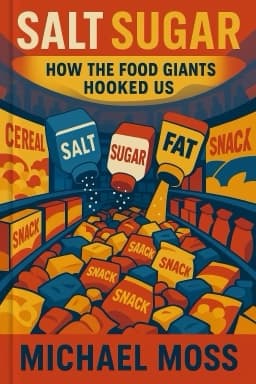
Step into the secretive world of food science, where every chip, cookie, and soda is the result of rigorous experimentation and psychological insight. Michael Moss’s Salt Sugar Fat pulls back the curtain on how food companies use cutting-edge research to engineer products that are not just tasty, but addictive. The key is the 'bliss point'—the precise balance of salt, sugar, or fat that triggers the brain’s pleasure centers and keeps us coming back for more.
In these labs, teams of scientists run thousands of taste tests, tweaking recipes by fractions of a percent. Computer models predict how a new snack will perform, and focus groups reveal the emotional triggers that drive loyalty. Children, with their natural preference for sweetness, are prime targets. Companies create products that cater to these preferences, building lifelong habits and brand loyalty.
But the science goes even deeper. Recent studies show that taste receptors for sugar aren’t limited to the tongue—they’re found throughout the digestive tract, all sending pleasure signals to the brain. This means that even foods that don’t taste sweet can trigger cravings and overeating. The industry’s understanding of these biological pathways is profound, and they use it to their advantage.
The result is a food environment where willpower is constantly tested. Products are designed to be eaten quickly, before satiety kicks in, and packaging is optimized for convenience and impulse purchases. The psychological tricks are subtle but powerful—from the sound of a crunch to the feel of a package in your hand.
Understanding this science is the first step toward regaining control. By recognizing the manipulation behind our cravings, we can make more conscious choices, seek out whole foods, and teach our children to appreciate the flavors of real ingredients. The battle for our brains is fierce, but knowledge is our best defense.
Want to explore more insights from this book?
Read the full book summary