
Marketing to the Mind: The Art of Food Seduction
How Processed Food Brands Get Into Your Head (and Stay There)

How Processed Food Brands Get Into Your Head (and Stay There)
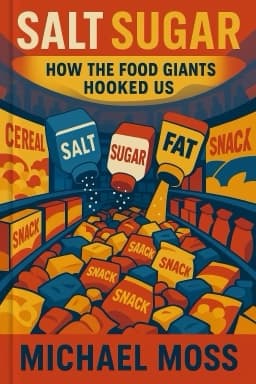
Every trip to the supermarket is a battle for your attention—and your dollars. Processed food companies use a sophisticated arsenal of marketing tactics, many of which are invisible to the average consumer. Michael Moss’s Salt Sugar Fat reveals how brands use mascots, bright packaging, and catchy jingles to build loyalty from the earliest ages. The goal is simple: make their products not just a choice, but a habit for life.
Children are the primary targets. Animated characters and playful commercials create emotional bonds, while strategic product placement at child’s-eye level ensures that kids see—and beg for—their favorite snacks. Schools are not immune; branded materials, sponsored events, and even vending machines blur the line between learning and advertising.
Digital media has only amplified these tactics. Social media influencers, online games, and interactive ads follow children onto their screens, making processed foods a constant presence in their lives. Peer influence—'all my friends eat it'—is harnessed to create a sense of belonging and excitement.
The ethical implications are profound. Targeting vulnerable populations with unhealthy products raises questions about responsibility and regulation. Advocacy groups are pushing for restrictions on junk food advertising to children, clearer labeling, and healthier school environments.
Consumers, too, have power. By recognizing these tactics and teaching children to be savvy shoppers, families can resist manipulation and make healthier choices. The next time you see a dancing mascot or a flashy ad, remember: it’s all part of a carefully crafted plan to win your loyalty—and your health may be the price.
Want to explore more insights from this book?
Read the full book summary