
Salt, Sugar, Fat: The Silent Trio Rewriting Global Health
How Our Favorite Flavors Became the World’s Biggest Health Threat

How Our Favorite Flavors Became the World’s Biggest Health Threat
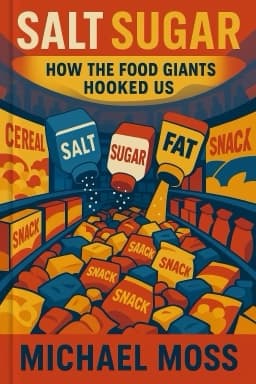
Salt, sugar, and fat—these three ingredients are the backbone of modern processed food, and their story is one of both culinary delight and public health disaster. Michael Moss’s acclaimed book, Salt Sugar Fat, reveals how these elements, once rare and precious, are now ubiquitous, fueling an epidemic of obesity and chronic disease that spans the globe.
From the bustling cities of the United States to the growing metropolises of Asia, Latin America, and Africa, the processed food revolution is transforming diets and bodies. Where traditional meals once centered on grains, vegetables, and fresh ingredients, shelves now groan with packaged snacks, sugary drinks, and fast food. Multinational food giants adapt their products to local tastes, ensuring that the addictive allure of salt, sugar, and fat is irresistible everywhere. The result? Obesity rates that were once low in countries like Brazil and China are now skyrocketing, and diseases like type 2 diabetes are appearing in children as young as six.
The health consequences are profound. In the US, more than one-third of adults are obese, and the trend is being mirrored worldwide. Chronic diseases linked to diet—heart disease, diabetes, hypertension—are now the leading causes of death in many countries. The economic burden is immense, straining healthcare systems and reducing quality of life for millions.
Yet, the story is not all bleak. Around the world, communities are fighting back. In Mexico, soda taxes are reducing consumption. In France, school lunches are protected by strict nutrition standards. Urban gardens, local food co-ops, and farm-to-school programs are sprouting in cities from New York to Nairobi, reconnecting people with fresh, local produce. These grassroots efforts are often led by parents, teachers, and public health advocates who understand that real change starts at home and in the community.
Public policy plays a critical role. Labeling laws, advertising restrictions, and taxes on sugary drinks are slowly forcing food companies to reformulate products and offer healthier options. Consumer demand for transparency and wellness is reshaping supermarket shelves, proving that collective action can drive industry change.
Ultimately, the battle against salt, sugar, and fat is a story of both caution and hope. By understanding the forces at play and making small, consistent changes, individuals and communities can reclaim their health and preserve the rich traditions of their culinary heritage. The future of food—and public health—depends on the choices we make today.
Want to explore more insights from this book?
Read the full book summary